
Pricing a Los Angeles home before listing is less about guessing the top number and more about finding the value range that attracts serious attention quickly. The right strategy balances recent comparable sales, current competition, neighborhood-level demand, and the condition of the property. A thoughtful list price can improve showing activity, reduce time on market, and create stronger negotiating leverage.
Why pricing matters more than polishing alone
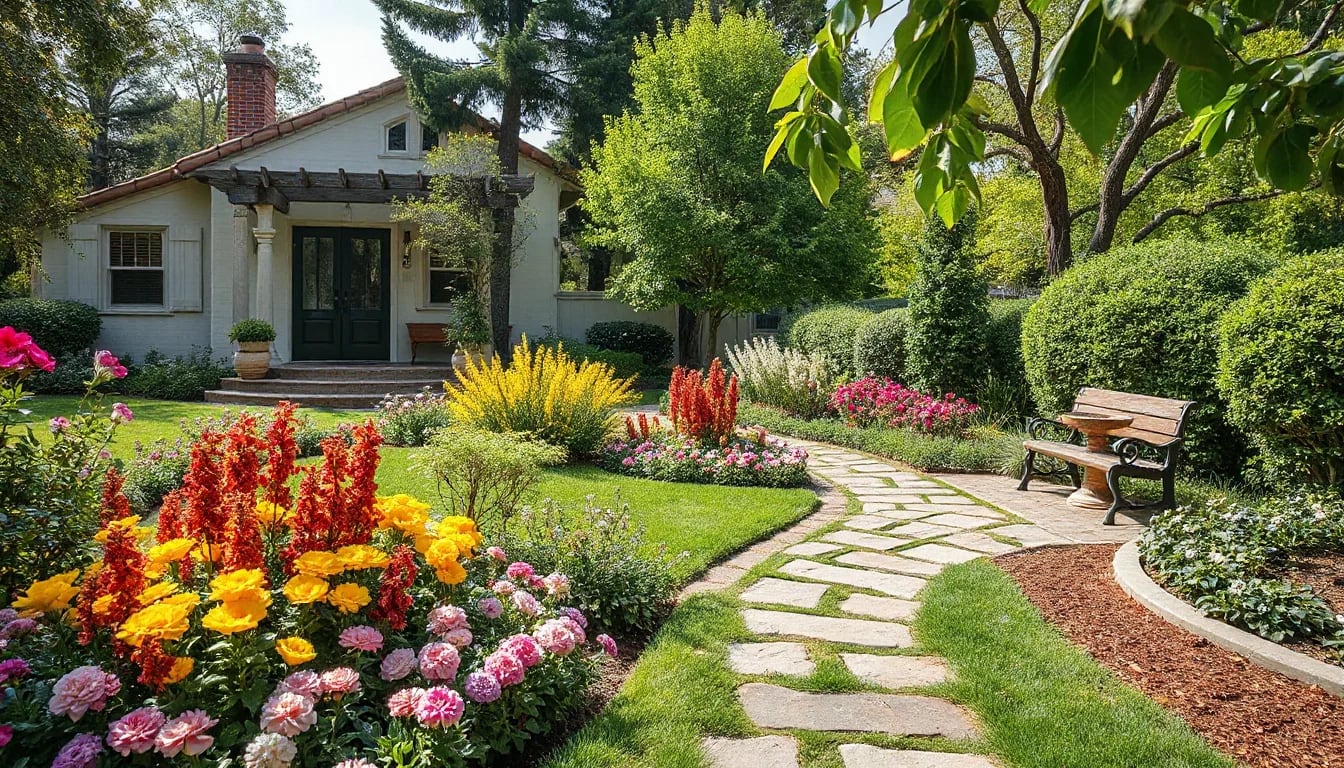
Fresh paint, clean landscaping, and strong listing photos can absolutely help a property make a sharp first impression. Still, even the best presentation cannot fully overcome a price that misses the market. In Los Angeles, where housing stock varies dramatically from one block to the next, buyers often compare a home against several nearby options within minutes. That means your asking price becomes part of the first impression just as much as the entryway, kitchen, or backyard.
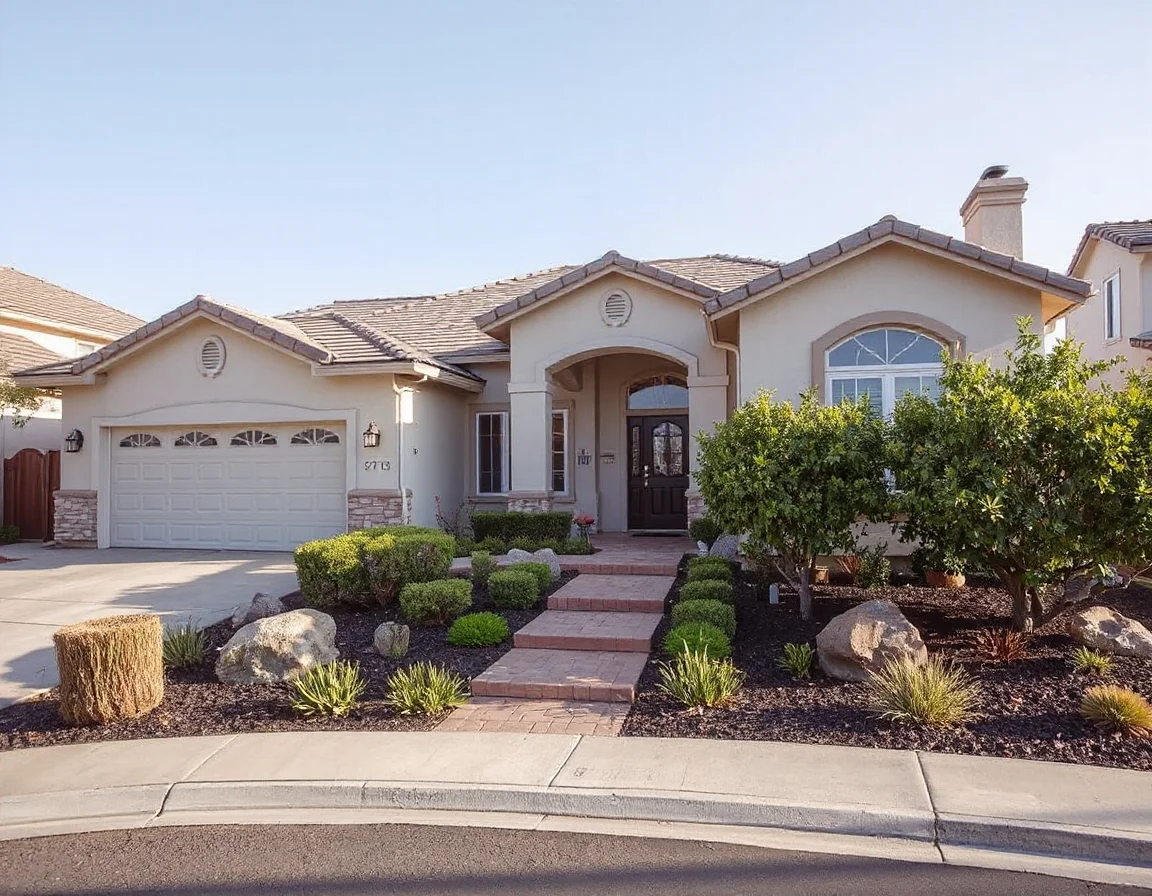
A price that is too high can narrow interest early, which may lead to fewer showings and longer market time. Once a listing sits without enough activity, buyers often assume there is a problem, even when the property is in excellent shape. On the other hand, a price that reflects current conditions can generate momentum, encourage repeat interest from agents and buyers, and increase the odds of receiving cleaner offers.
Los Angeles also has micro-markets that behave differently. A condo near a major employment center may attract a different pace of interest than a hillside home, a small-lot new build, or a classic property in an established neighborhood. Pricing well requires looking beyond citywide headlines and focusing on the segment your home truly competes in.
The first 7 to 14 days on market often set the tone for the entire listing. Strong early interest usually comes from a price that feels credible the moment buyers compare it with recent alternatives.
Start with comparable sales, but choose the right ones
The foundation of pricing is the comparable sale, but not every nearby closing is equally useful. The best comps are recent sales with similar square footage, lot size, age, layout, condition, and location characteristics. In Los Angeles, even a short distance can matter if school attendance zones, street traffic, views, parking, or lot usability change the buyer experience. Looking only at broad zip code averages can hide those meaningful differences.
Pending sales can also provide helpful clues. They show where current buyers were willing to commit, even if the final closing price is not yet public. Active listings matter too because they represent your immediate competition. If a buyer can choose between your home and three others with updated interiors, outdoor space, or a lower HOA, your price must account for that reality.
It is also important to adjust for condition. A remodeled kitchen, newer roof, updated systems, detached workspace, or strong natural light can support a higher position within the value range. At the same time, deferred maintenance, unusual floor plans, limited parking, or a location on a busier corridor may require a more conservative approach. Effective pricing is rarely a simple average of nearby sales; it is an informed interpretation of how your home compares.
Talk through your pricing strategy
Read the current competition the way buyers will
Once comparable sales establish a range, the next step is to evaluate the homes buyers are viewing alongside yours right now. That means studying active listings with a practical eye: how does your kitchen finish level compare, how much usable outdoor space is available, what kind of parking is offered, and how does the overall presentation feel online? Buyers often build a shortlist quickly, and your price has to make sense within that lineup.
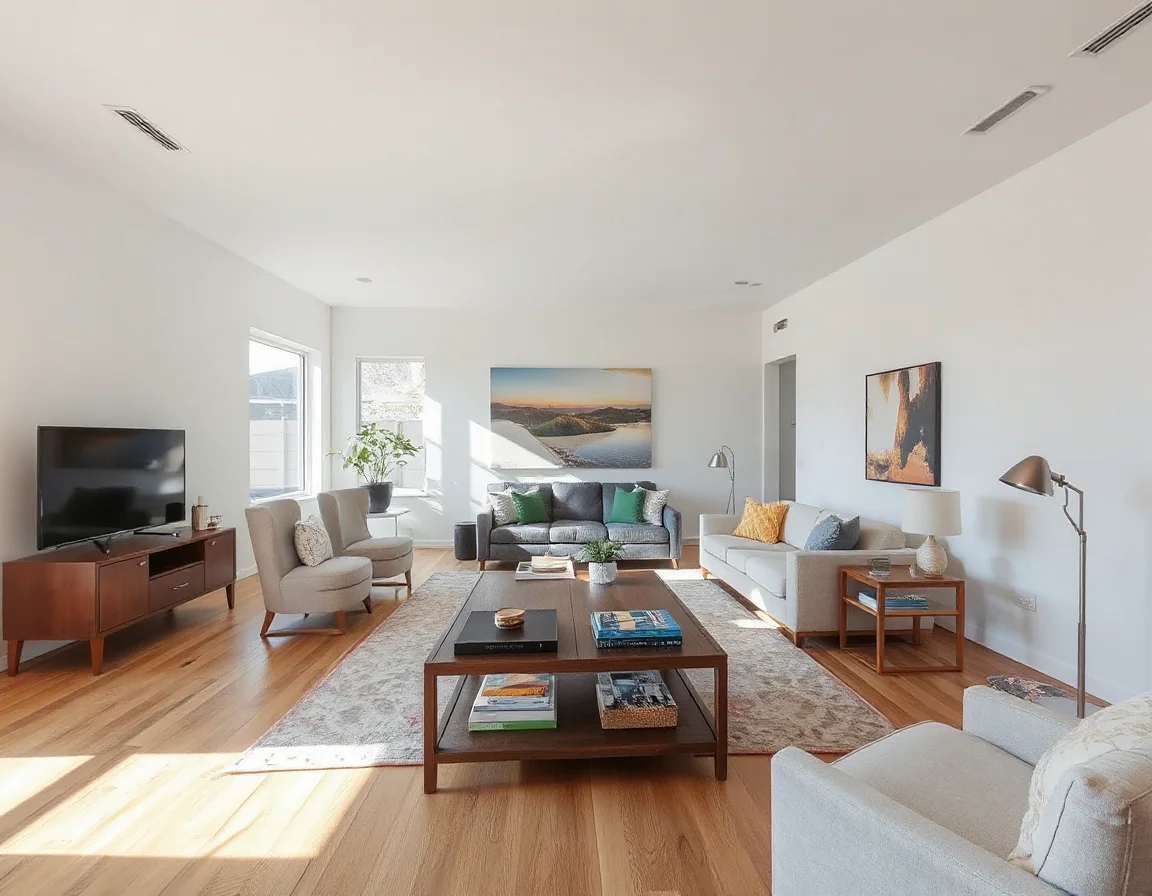
A home that appears neutral and move-in ready may earn more attention than one with similar square footage but heavier update needs. That does not mean every property must be fully remodeled to compete well. It means the asking price should reflect the total package buyers see, not just the number of bedrooms and baths on paper.
Seasonality and financing trends also play a role. Changes in interest rates can affect monthly payment sensitivity, which may shift where buyers draw the line. In a market with more inventory, pricing sharply from the start becomes even more important because buyers have more room to compare and wait. In a tighter inventory environment, a well-positioned price can create urgency without overreaching.
Good pricing is not about underestimating value. It is about understanding what buyers can verify, what alternatives they have, and what factors make your home stand out today rather than six months ago.
If two listings feel similar online, buyers often favor the one that looks like the clearer value rather than the one with the bigger initial asking price.
Account for local features that shape value
In Los Angeles, details that seem small can influence price more than many owners expect. View corridors, garage access, guest parking, ADU potential, outdoor entertaining space, lot topography, and privacy all affect how a property is experienced. For condos and townhomes, building amenities, monthly dues, reserve strength, and rules around leasing can matter just as much as the unit itself.
Location should also be discussed in factual, measurable ways. Buyers may weigh commute patterns, access to transit, proximity to parks, retail corridors, dining options, or major cultural destinations. Those are tangible market factors. The key is to connect them to actual demand and comparable sales rather than relying on broad assumptions about prestige or popularity.
Pricing should reflect the home you have today, not just the improvements you planned or the highest number a neighbor once mentioned. Sellers understandably remember every upgrade and repair investment, but the market does not always return those costs dollar for dollar. A smart strategy recognizes which improvements buyers consistently reward and which ones are better treated as supporting features rather than direct price drivers.
Use strategy, not emotion, to choose the final number
Once the data is in place, the final list price should support your actual goal. If the objective is to maximize exposure and encourage strong early activity, the best number may sit at a compelling point within the range instead of at the very top. If the property has scarce features and little direct competition, there may be room to test the upper end more confidently. The answer depends on evidence, timing, and how the home shows compared with alternatives.

It can help to think in terms of search behavior as well. Buyers often shop within set price bands, so even a small adjustment can place your home in front of a larger audience. A list price should be easy to defend with comps, logical against current inventory, and appealing in the online filters buyers use every day.
Most important, pricing is not a one-time opinion. It is part analysis, part positioning, and part launch strategy. When the list price, presentation, and marketing plan all align, a seller is in a far better position to capture attention quickly and negotiate from strength.
Before your home goes live, take the time to review the data carefully and weigh the competition honestly. In a market as layered as Los Angeles, the most successful pricing decisions are usually the ones grounded in specifics, not guesswork.