Small maintenance upgrades often do more to support resale value than dramatic remodels that blow past budget. In the High Desert, the homes that show best over time usually pair smart climate-conscious upkeep with clean presentation, durable finishes, and visible system care. If you want future buyers to notice quality quickly, start with the updates that reduce deferred maintenance and make ownership feel predictable.
Why maintenance upgrades matter in the High Desert
In a market where buyers compare condition just as carefully as square footage, maintenance-minded improvements can shape both first impressions and negotiation strength. A home that looks well cared for tends to create confidence early, especially when major systems, exterior surfaces, and energy performance show clear attention. That matters in the High Desert, where sun exposure, wind, dust, and temperature swings can accelerate wear faster than many owners expect.
Instead of thinking only about resale right before listing, it helps to view maintenance as a long-term value protection plan. Peeling exterior paint, aging caulk, brittle weatherstripping, roof wear, and neglected hardscape details can quietly signal larger issues to buyers. On the other hand, visible upkeep tells a simpler story: this property has been monitored, maintained, and updated with ownership costs in mind.
That does not mean every improvement needs to be expensive. In many cases, the best return comes from practical projects that improve efficiency, reduce future repair risk, and help the property photograph well. Clean lines, working systems, and durable materials often do more for marketability than trend-driven finishes that may date quickly.
If a buyer sees several small maintenance issues during one showing, they often assume there are larger hidden expenses too. Tightening up visible wear can improve perception far beyond the actual project cost.
Start with the exterior envelope and weather exposure points
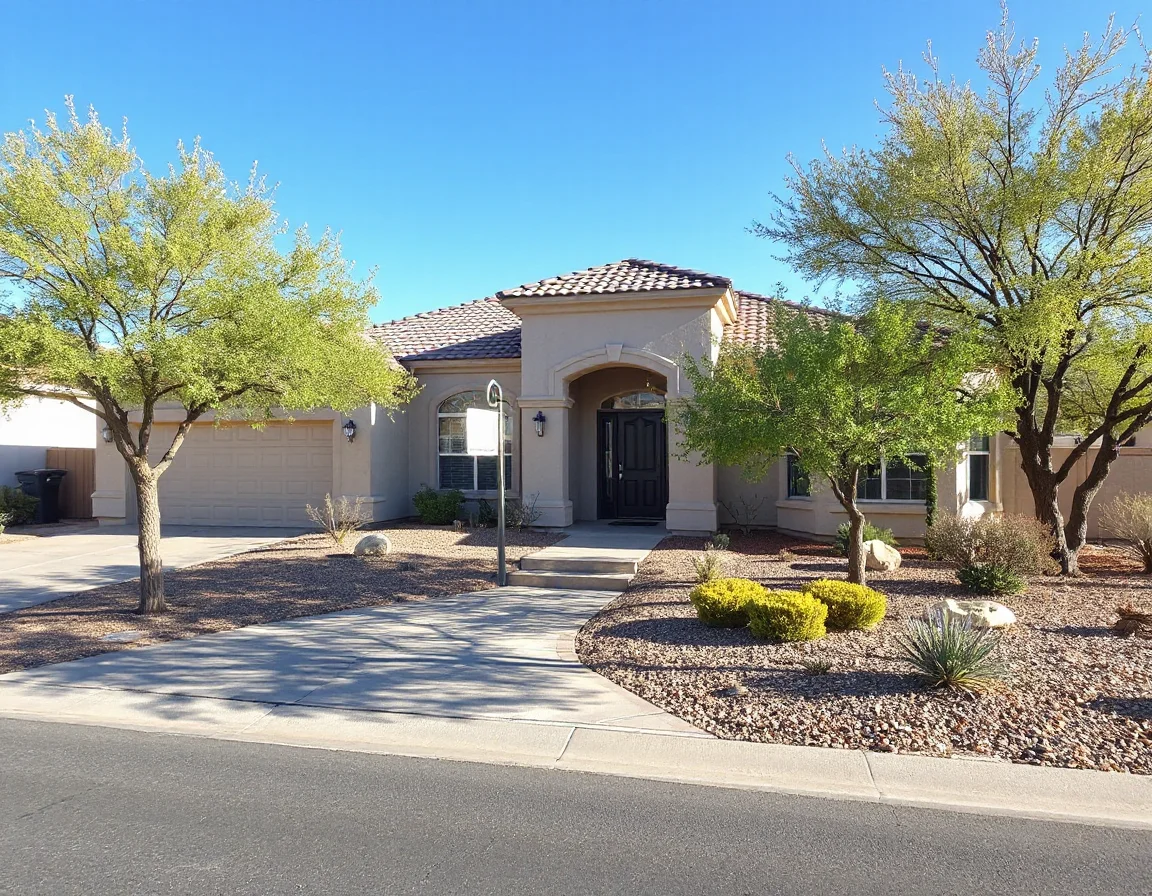
The outside of the home carries a lot of resale weight because it frames the entire showing before anyone steps indoors. In High Desert conditions, stucco cracks, faded trim, worn fascia, damaged sealant, and sun-beaten garage doors stand out quickly. Addressing these items can sharpen curb appeal while also helping prevent moisture intrusion and premature material failure.
Roof maintenance deserves special attention. Buyers may not climb up for a close look, but they notice stained underlayment edges, lifted shingles or tiles, debris buildup, and signs of patchwork. If the roof is aging, even a professional inspection and targeted repairs can be valuable documentation. The same goes for gutters, drainage paths, and grading around the foundation, especially where flash storms or irrigation runoff could create avoidable wear.
Windows and doors are another high-impact category. Replacing cracked seals, refreshing trim, installing quality weatherstripping, and making sure every door opens and closes smoothly can support both comfort and value. Buyers tend to notice drafts, sticky sliders, and worn thresholds because those issues make routine use feel inconvenient. Even when full replacement is not necessary, tune-ups and repairs can create a much more polished result.
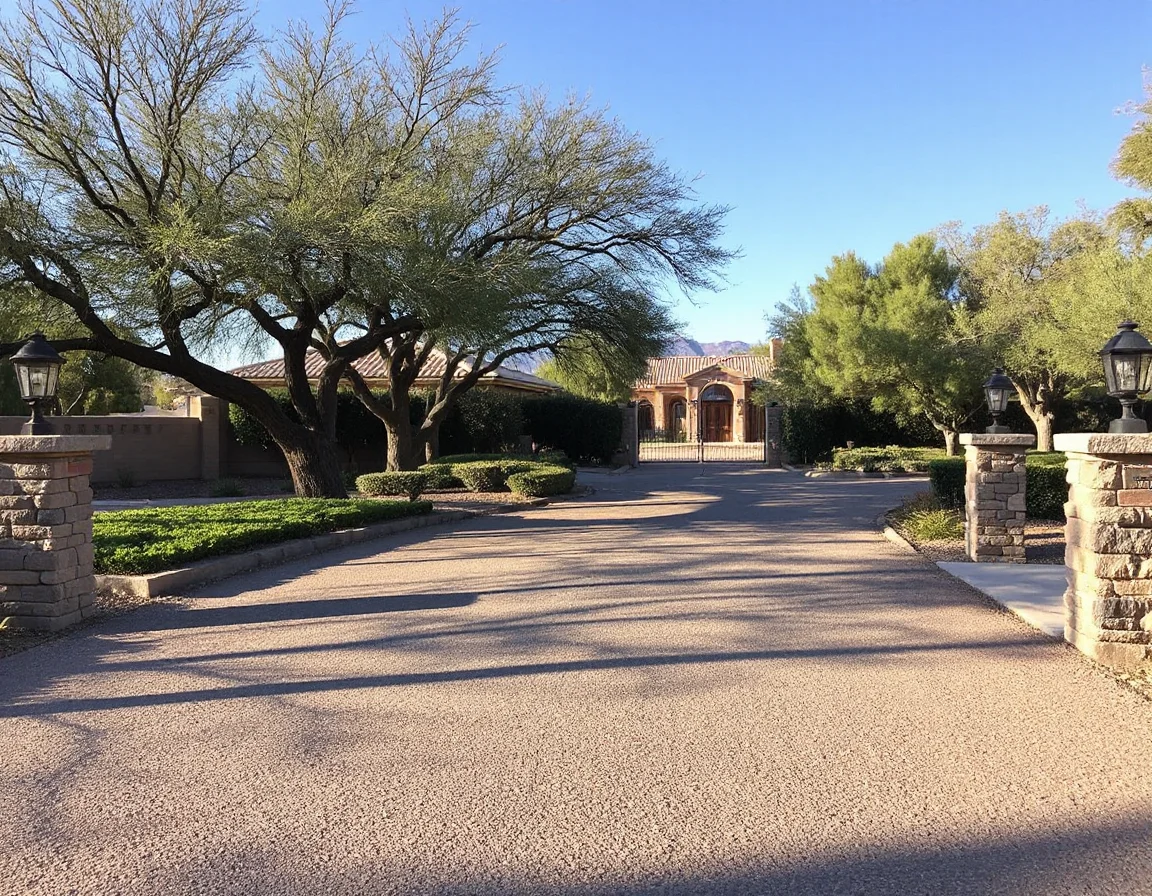
Landscaping should also fit the climate. A tidy yard with decomposed granite, healthy desert-adapted plantings, trimmed trees, and defined walkways often reads as easier to maintain than thirsty grass or overgrown planting beds. The goal is not to overbuild the yard but to show intentional care, good drainage, and manageable upkeep.
In desert markets, low-water landscaping and well-maintained shade elements can be more persuasive than high-maintenance lawn areas that look costly to preserve.
Focus next on systems buyers worry about most
When buyers evaluate value, they often think beyond finishes and ask a practical question: what might I need to replace soon? That is why HVAC servicing, water heater condition, plumbing fixtures, electrical safety items, and insulation improvements can carry real resale benefits. In the High Desert, heating and cooling performance is especially important because seasonal temperature ranges put year-round demands on the system.
If the HVAC system is functioning well, a recent service record, clean filters, sealed ductwork, and a tidy condenser area can all help support confidence. If the unit is nearing the end of its typical service life, owners may still improve marketability by handling deferred maintenance, replacing worn thermostats with modern programmable models, and documenting performance. Buyers appreciate clarity, and uncertainty often becomes a negotiation issue.
Water efficiency and leak prevention matter too. A dripping faucet, stained shutoff area, or loose toilet may seem minor, but repeated small plumbing issues can imply larger care gaps. Replacing aging supply lines, updating worn fixture seals, and installing dependable shutoff valves are not glamorous projects, yet they help present the home as responsibly maintained.
Choose interior updates that feel durable, clean, and easy to live with
Inside the home, resale value often benefits most from surfaces that look fresh and hold up well under daily use. Neutral paint in good condition, consistent flooring transitions, updated lighting, and repaired baseboards can make the entire property feel more current without requiring a full renovation. The emphasis should be on cohesion and condition rather than chasing every design trend.
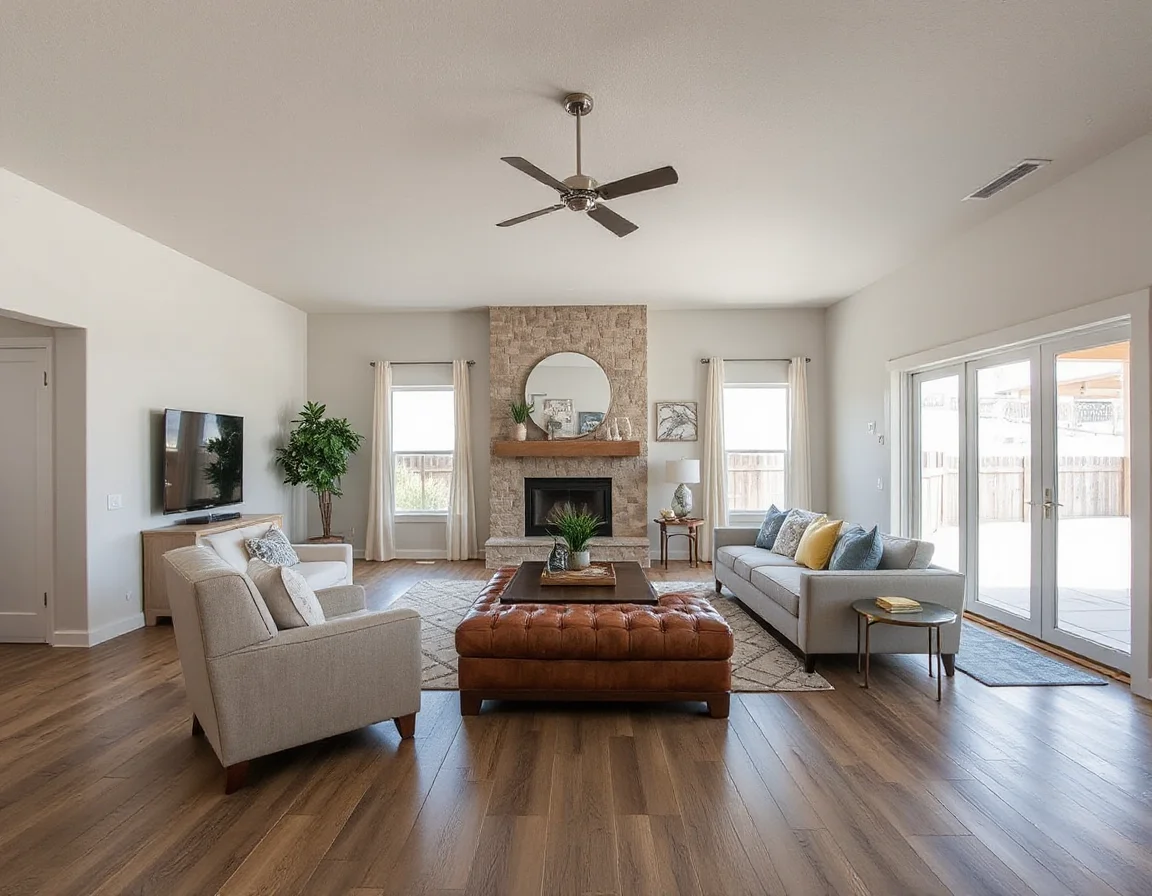
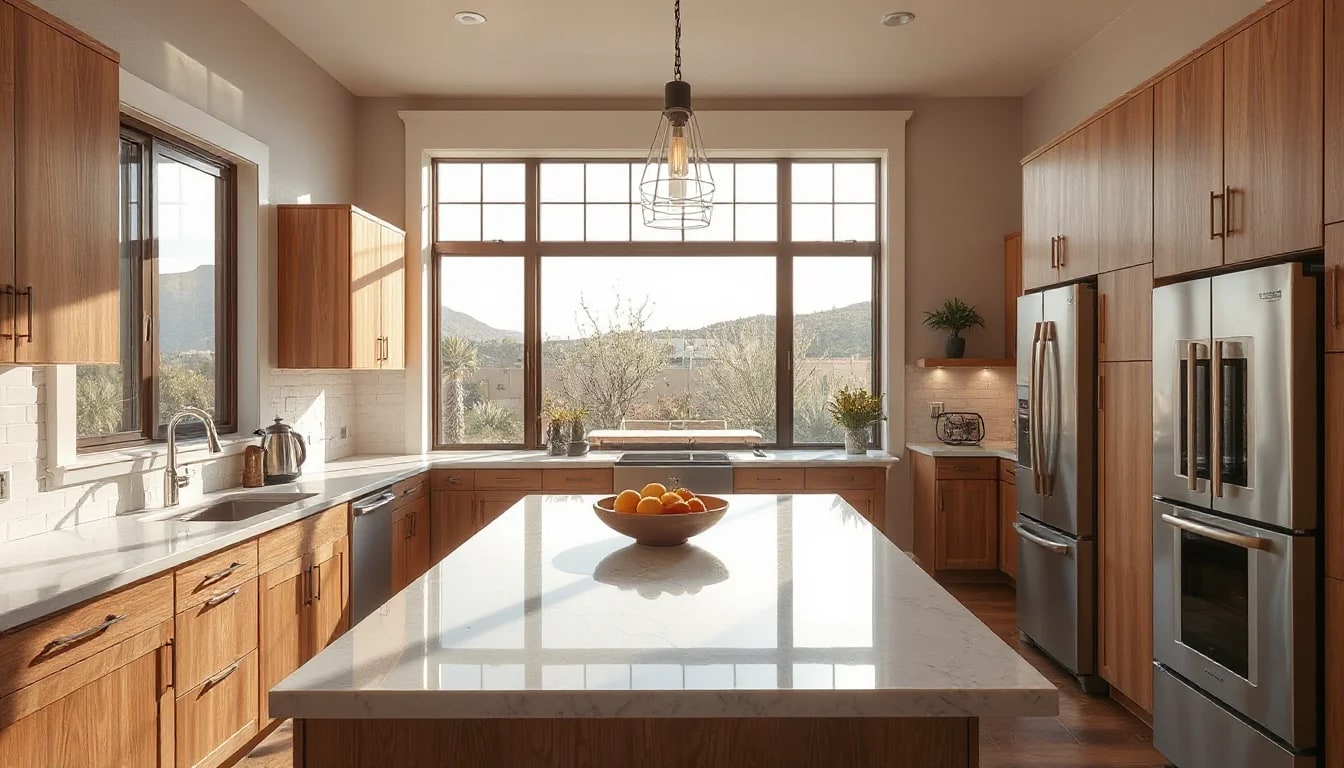
Kitchens and baths deserve careful but measured attention. Rather than gutting the room, many owners can improve presentation through cabinet hardware replacement, regrouting, fresh caulk, fixture updates, and better lighting. Countertops with chips, swollen sink bases, and stained grout lines can make buyers mentally overestimate repair costs. By contrast, crisp maintenance details suggest that the home has been kept on schedule.
Flooring is another area where practicality wins. Worn carpet, cracked tile, and mismatched patchwork repairs can distract from the layout and usable square footage. If replacement is necessary, durable surfaces with a clean, timeless look often help the broadest range of buyers focus on the home itself. The objective is not to create a showroom; it is to remove friction from the showing experience.
Storage, utility, and garage areas should not be ignored. Buyers often open those doors precisely because they want to evaluate the parts of the home that speak to maintenance habits. A clean water heater area, organized shelving, sealed utility penetrations, and swept garage floors can reinforce the impression that the property has been consistently cared for.
Keep records and prioritize upgrades with resale in mind
One of the smartest upgrades is not a physical feature at all: it is documentation. Receipts, warranties, inspection reports, service logs, and before-and-after notes help transform routine maintenance into a visible value story. When buyers can see what was repaired, replaced, or serviced and when it happened, they are better able to assess the home with confidence.
It also helps to prioritize projects according to impact. Start with anything that affects function, weather resistance, efficiency, or visible condition. Then move to cosmetic items that support a cleaner presentation. Expensive custom features may not return their full cost, but repairing what is worn, sealing what is exposed, and refreshing what is dated often helps a home compete more effectively when it reaches the market.
For owners planning ahead, the strongest resale strategy is usually steady attention rather than last-minute scrambling. In the High Desert, maintenance upgrades that respect the climate, reduce future repair concerns, and keep the home looking crisp can protect value over time and make the eventual selling process smoother from the start.