
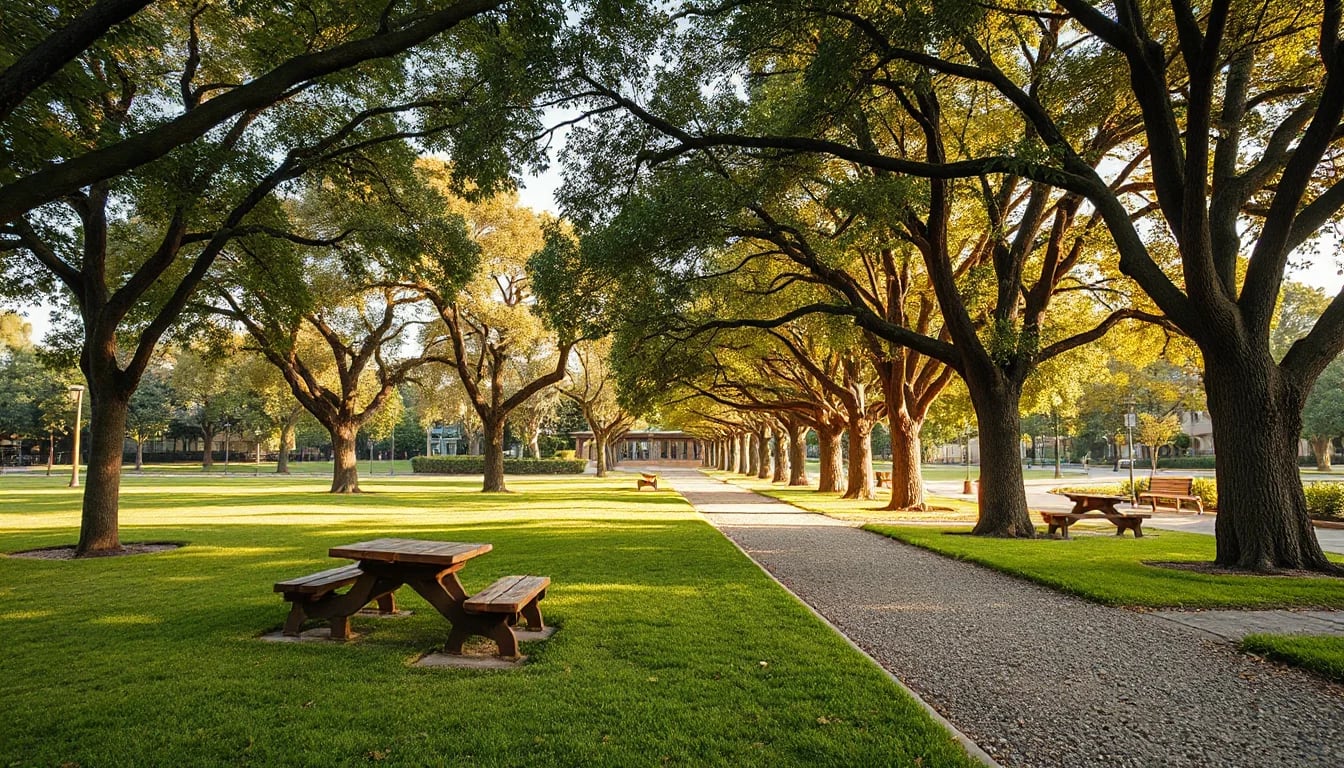
North Park brings together walkable commercial corridors, historic architecture, green space, and quick access to central San Diego destinations. Whether you are comparing housing styles or planning a day around local parks and dining, this guide highlights the practical details that make North Park a distinctive part of the city.
A Central San Diego Neighborhood with Its Own Rhythm
North Park sits northeast of Balboa Park and has long been recognized for its mix of older residential streets and active business corridors. The area feels connected to the larger city without losing its neighborhood-scale details: mature trees, front porches, low-rise buildings, murals, and blocks where a short walk can lead from a quiet residential setting to a busy evening gathering spot. University Avenue, 30th Street, and El Cajon Boulevard are among the major routes that shape daily movement through the area.

For a first visit, it helps to think of North Park as several experiences layered together rather than one uniform district. Along the more active corridors, independent coffee destinations, breweries, bakeries, live-music venues, galleries, and casual dining options create an energetic backdrop. A few blocks away, the pace changes. Residential streets often reveal early-20th-century homes, small apartment buildings, and newer infill projects that reflect the neighborhood’s long evolution.
The geography is part of the appeal. Balboa Park is nearby, and its museums, gardens, trails, sports facilities, and open landscapes add a major recreational resource to the broader area. Morley Field, Bird Park, and smaller neighborhood greens offer additional places for outdoor activity, reading, walking, or simply taking a break between errands. Access to major roads and transit routes can also make it easier to reach downtown San Diego, Mission Valley, and other parts of the county.
North Park’s character can shift noticeably from block to block, so comparing a home’s immediate surroundings, parking pattern, street activity, and access routes is just as important as comparing the home itself.
That blend of convenience and texture makes the area worth exploring at different times of day. A weekend morning may highlight patios, coffee counters, and neighborhood walkers, while an evening visit may reveal the activity around dining and entertainment venues. For a housing search, visiting during both quieter and busier periods gives a more complete view of noise levels, traffic flow, available street parking, and the everyday atmosphere of a particular block.
Parks, Public Space, and Everyday Outdoor Time
Outdoor access is woven into the North Park experience. The neighborhood’s position near Balboa Park places a large network of trails, gardens, cultural institutions, athletic areas, and open lawns within reach. Rather than needing a special occasion to spend time outside, residents can incorporate a stroll through green space, a museum visit, or a stop at a local park into an ordinary day.
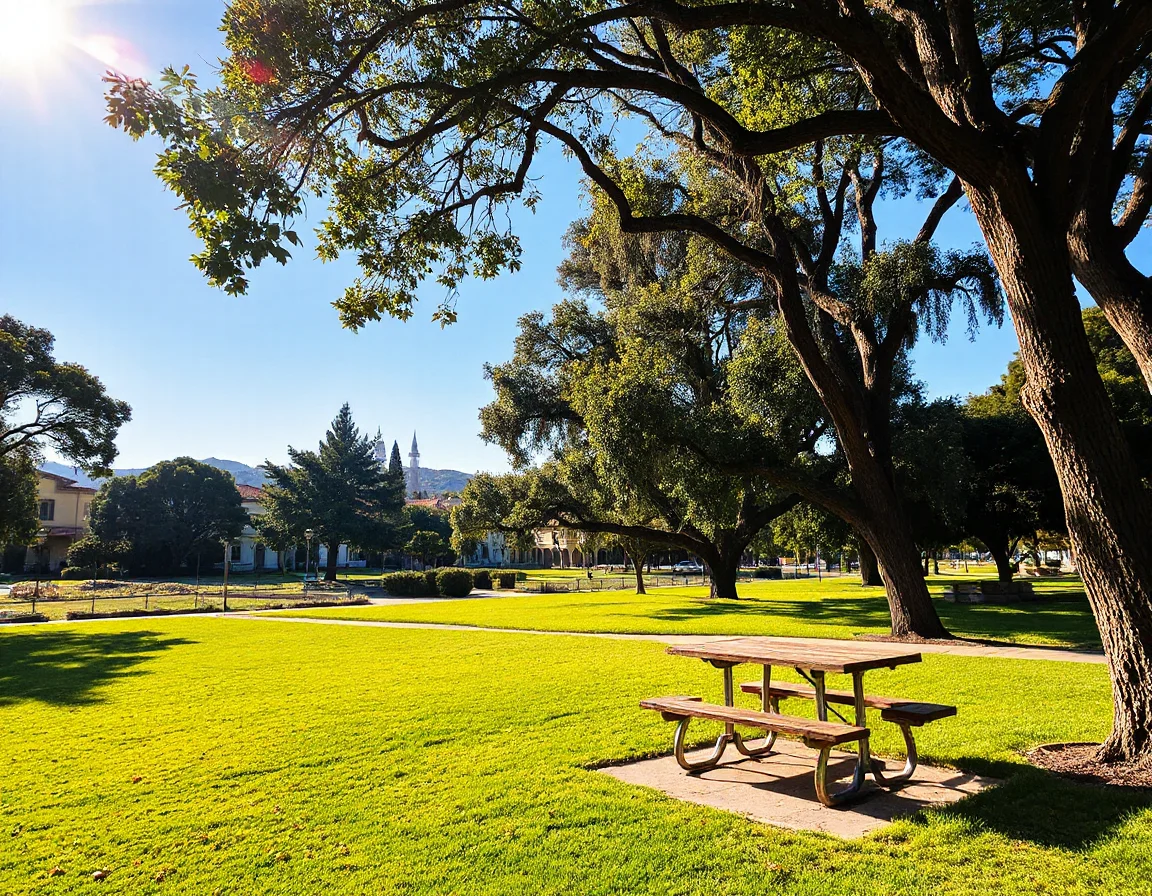
Bird Park, near the northeast side of Balboa Park, is a familiar open-space destination with grass, trees, and room to pause outdoors. Morley Field expands the recreational options with facilities associated with tennis, swimming, disc golf, and other activities in the surrounding park area. Conditions, hours, reservations, and programming can change, so it is wise to confirm current details directly with the City of San Diego before planning a visit.
North Park also rewards unhurried exploration. Side streets can reveal garden plantings, distinctive bungalow details, and changing architectural styles, while the larger corridors offer places to pause for a meal or a drink. The neighborhood is not defined by one landmark alone; it is the combination of small discoveries and convenient amenities that gives a walk through the area its character.
For home buyers, nearby park access can be one factor in a larger location comparison. Consider how often you expect to use an outdoor space, whether you prefer a direct walking route or a short drive, and how seasonal events may affect nearby streets. For sellers, highlighting factual proximity to parks, transit, and commercial corridors can help prospective buyers understand the location without overstating it.
Explore San Diego area insights
What to Know About North Park Housing
Housing in North Park is varied, which is one reason a search here can be both exciting and detailed. Buyers may encounter Craftsman bungalows, Spanish Revival homes, cottages, duplexes, townhomes, condominiums, and newer multi-unit construction. Original features such as built-ins, wood floors, decorative tile, covered porches, and period windows may be part of a property’s appeal, while remodeled homes may offer updated systems and more contemporary layouts.
Older homes deserve a close look beyond surface finishes. Depending on the property, buyers may want to review the age and condition of roofing, plumbing, electrical panels, foundations, drainage, heating and cooling equipment, and any renovations completed over time. A thorough inspection period and careful review of seller disclosures can help clarify maintenance needs and future planning. For properties with accessory structures or converted spaces, verify permits, current use, and local requirements with the appropriate professionals and agencies.
Condominiums and townhomes introduce another set of considerations. Monthly association dues, reserve funding, insurance coverage, rental rules, parking assignments, pet policies, maintenance responsibilities, and planned assessments can all affect the ownership picture. Looking at the full monthly and long-term cost, rather than focusing only on the purchase price, creates a more useful comparison between attached and detached options.
A charming older facade and a newly renovated interior can coexist with very different maintenance histories; inspection findings, permits, and association documents are essential parts of a confident offer strategy.
Inventory and pricing can change quickly across central San Diego, especially when listings differ in lot size, condition, parking, outdoor space, and proximity to active corridors. A compact condo near a frequent transit route may serve a different set of priorities than a detached home on a quieter interior street. It is more productive to define your preferred tradeoffs—space, condition, commute pattern, budget, parking, and location—before comparing individual listings.
Planning a Productive Visit
A thoughtful North Park visit can start with a walking loop near University Avenue and 30th Street, followed by time in nearby Balboa Park or one of the smaller green spaces. Notice practical details along the way: sidewalk conditions, hills, lighting, transit stops, street widths, traffic patterns, and the distance between residential blocks and the amenities you expect to use regularly. If schools are part of your decision-making process, review current attendance boundaries, public data, and program information directly with the relevant school district, since assignments and offerings may change.
When you are ready to focus on real estate, compare several properties before deciding what “North Park living” means for your needs. One home may stand out for historic detail, another for a renovated kitchen, and another for its parking or access to a park. Bringing those priorities into a clear search plan can make a competitive market feel more manageable and keep the process grounded in the features that matter most to you.
North Park remains compelling because it offers more than a single lifestyle headline. It is a place of architecture, local gathering spaces, public parks, changing streetscapes, and a broad range of housing choices within central San Diego. Spend time on the blocks that interest you, ask detailed questions about each property, and let the practical details guide a decision that fits your goals.