
A High Desert rental can look compelling on a spreadsheet, but purchase price is only the opening line. A useful ROI review accounts for realistic rent, vacancy, repairs, financing, insurance, taxes, management, and the time required to operate the home. The goal is not to chase a headline return—it is to understand the tradeoffs before making an offer.
Start With Income That Can Hold Up Under Review
Rental-property analysis begins with a question that sounds simple: what can this home reliably rent for? In the High Desert, the answer can vary by city, property condition, bedroom count, lot size, garage space, access to major corridors, and the number of comparable rentals currently available. A renovated home may command a different rent than an older property nearby, while a larger layout does not automatically produce a proportionally larger return if operating costs rise with it.
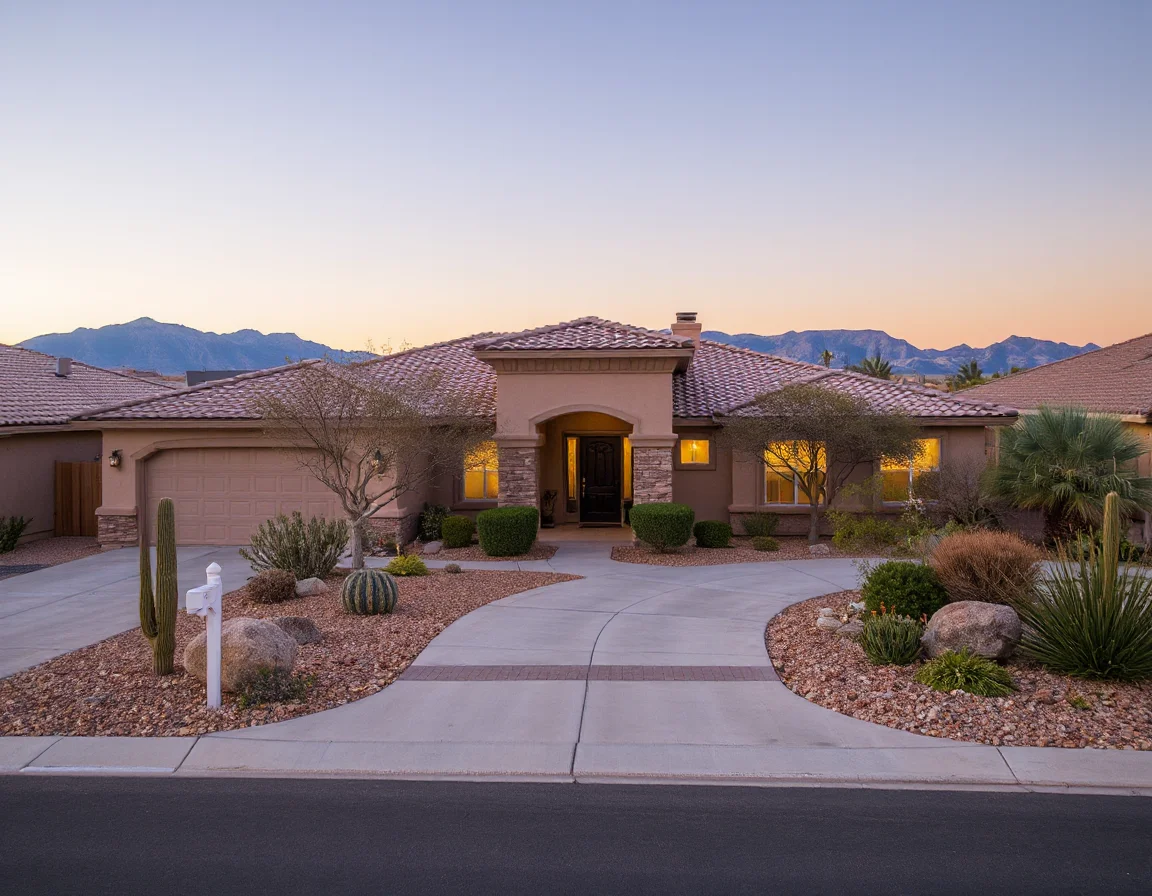
Rather than using an optimistic number from a single online estimate, compare recent and active rentals with similar features. Look at how long those homes have been advertised, whether concessions are being offered, and how closely the comparable properties match the subject home. A listing that has remained available for several weeks may signal that the asking rent needs adjustment, even when the original number looked attractive.
Next, separate gross scheduled rent from the money that is likely to reach the owner. Gross rent assumes full occupancy and on-time payments every month. Effective income is more conservative: it makes room for vacancy, turnover time, occasional nonpayment, and any owner-paid utilities or credits. This distinction matters because a rental can appear profitable before those frictions are included.
A rent estimate is most useful when it is supported by several comparable rentals and a vacancy reserve—not when it is simply the highest advertised number in the area.
For buyers evaluating more than one High Desert property, use the same rent assumptions across each option before comparing them. A consistent method makes it easier to see whether a lower-priced home with modest rent has stronger monthly cash flow than a more expensive property with a slightly higher projected rent. It also helps reveal when the result depends too heavily on a best-case rent figure.
Build the Expense List Before Calculating Cash Flow
Cash flow is the amount left after income covers the property’s recurring expenses. The mortgage payment is important, but it is not the whole operating picture. A durable rental budget includes principal and interest, property taxes, insurance, HOA dues when applicable, property management, maintenance, capital replacements, leasing costs, and a reserve for vacancy. Depending on the property, utilities, landscaping, pest service, trash, or other services may also belong in the owner’s budget.
Some costs are easy to identify before closing. The purchase contract, lender estimate, tax records, insurance quote, and HOA documents can provide much of the starting information. Other expenses require judgment. A home with an aging roof, older HVAC equipment, worn flooring, or deferred exterior maintenance may still be a viable purchase, but its reserve should reflect the condition honestly. Setting aside nothing for repairs can make a favorable projection look stronger than it really is.
It is helpful to distinguish between ongoing maintenance and larger capital expenses. Replacing a faucet, repairing a gate, or touching up paint may fall into ordinary maintenance. Replacing a water heater, HVAC system, roof component, or major appliance is a larger event that can materially affect a year’s return. Owners who plan for both are usually better positioned to make decisions without reacting to every repair as a surprise.
A financing scenario deserves the same scrutiny. Interest rate, down payment, loan type, closing costs, and whether the payment includes mortgage insurance all affect monthly results. Buyers paying cash should still evaluate opportunity cost and maintain reserves for repairs and vacancy. The clearest analysis is one that shows both the monthly result and the cash needed to acquire, prepare, and hold the property.
Account for the Desert-Specific Ownership Tradeoffs
The High Desert offers a broad range of housing types, from established neighborhoods to newer construction and homes on larger parcels. That variety can create opportunity, but it also means property-level details matter. A home with a large lot may have different maintenance needs than a compact tract home. Older mechanical systems can face heavy seasonal use, and landscaping choices may affect water use, curb appeal, and ongoing upkeep.

Insurance availability and premium changes should be reviewed early rather than treated as a closing-week detail. Ask for a quote tied to the actual address and coverage needs, then confirm what deductibles and exclusions may apply. Property taxes should likewise be estimated using the anticipated purchase price, not only the seller’s current tax bill. Those two items alone can shift the annual expense total substantially.
Management is another practical tradeoff. Self-management may reduce a line-item expense, but it requires systems for advertising, screening within applicable laws, lease administration, maintenance coordination, accounting, and communication. Professional management may reduce hands-on workload while adding a fee and sometimes separate leasing or renewal charges. Neither route is universally better; the right choice depends on the owner’s time, comfort level, and operating plan.
Local rental rules, HOA restrictions, permitting requirements, and lease practices can change over time. Before relying on a short-term or specialized rental strategy, verify that the property, association documents, and local regulations support the intended use. A conventional long-term rental analysis is often a useful baseline because it gives buyers a clear view of the property’s performance without depending on unusually high occupancy assumptions.
Use More Than One ROI Measurement
“ROI” can mean different things, which is why two buyers can review the same property and reach different conclusions. Monthly cash flow shows what remains after operating expenses and debt service. Cash-on-cash return compares annual pre-tax cash flow with the cash invested up front. Some investors also consider principal paydown, potential appreciation, and tax considerations, though those outcomes are not guaranteed and should not replace a sound operating budget.
A practical way to test a rental is to run three versions of the numbers: conservative, expected, and stress-case. The conservative version might use a lower rent estimate, a longer vacancy period, and a larger repair reserve. The expected version uses well-supported market assumptions. The stress-case considers what happens if a major repair arrives, insurance rises, or the home sits vacant longer than planned. If the property only works in the most optimistic scenario, the margin may be too thin for the buyer’s goals.
A rental property does not need perfect conditions to be worthwhile, but it should have a plan for imperfect months: a vacancy, a repair, a rent adjustment, or an unexpected service call.
It is also wise to compare the return with the level of responsibility involved. A property producing modest monthly income may still fit a long-term plan if the location, condition, financing, and reserves align with the owner’s objectives. Conversely, a higher projected return may come with more renovation risk, a smaller tenant pool, significant deferred maintenance, or greater management demands. The best option is often the one whose assumptions you can clearly explain and comfortably support.
Make the Offer With a Due-Diligence Plan
Once a property looks promising, shift from broad estimates to address-specific verification. Review disclosures, inspection findings, utility information, HOA documents, insurance quotes, tax estimates, and comparable rental activity. During the inspection period, identify which repairs are immediate, which can be budgeted over time, and whether the anticipated rent still makes sense after accounting for the home’s actual condition.
For buyers planning improvements, estimate both cost and downtime. Fresh paint, flooring, appliance replacement, landscaping updates, and repairs can improve a home’s market readiness, but they can also delay the first lease. Include carrying costs during that preparation period rather than assuming rent begins immediately after closing. A clear timeline makes the initial cash requirement more realistic.
High Desert rental ownership can offer a path to income and long-term equity, but the strongest decisions are built on careful assumptions instead of broad promises. Evaluate each home on its own merits, reserve funds for the unplanned, and revisit the numbers as financing terms, rent data, and property information become more precise. A well-supported analysis gives you a clearer basis for deciding whether a property fits your investment strategy.