
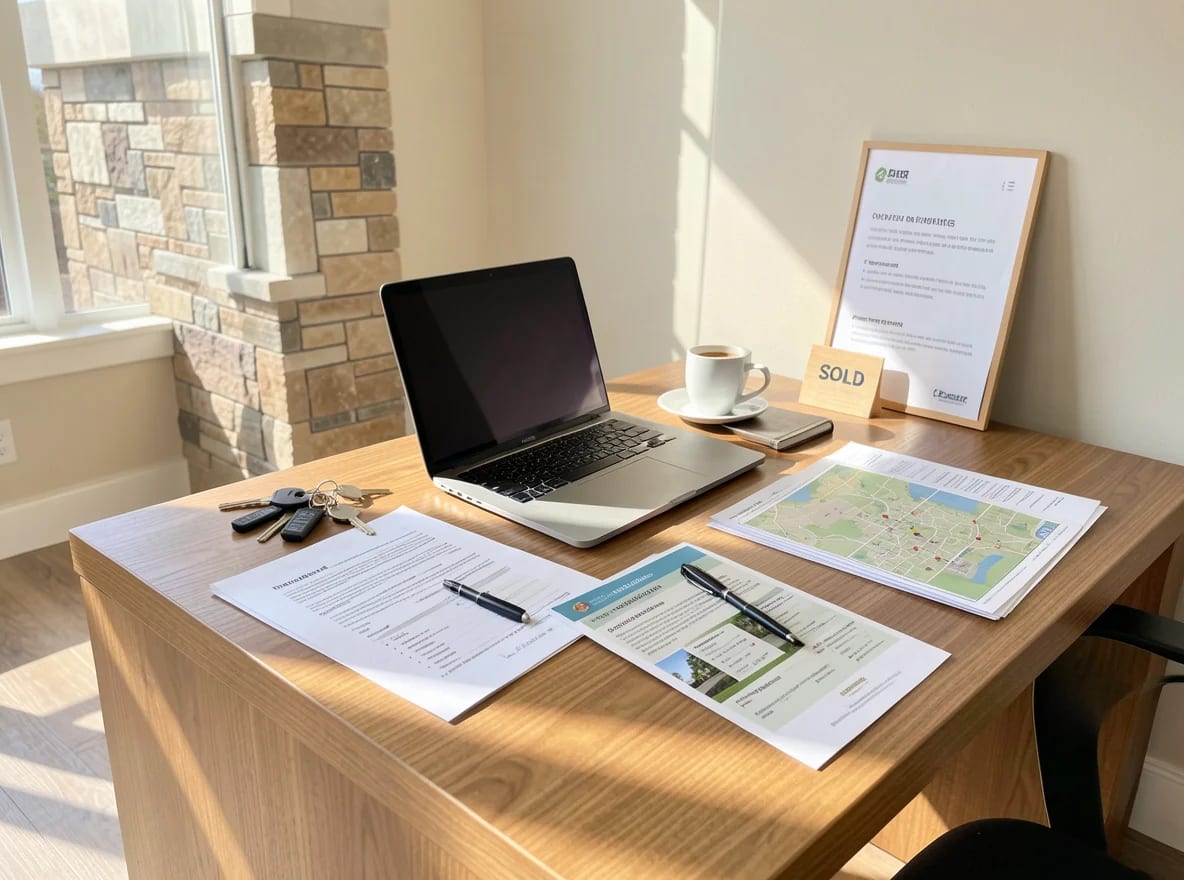
An accepted offer starts a series of deadlines, decisions, and documents—not an automatic path to the keys. Knowing how escrow, contingencies, and closing fit together can help Orange County buyers and sellers anticipate the next step and avoid last-minute surprises. The most important timeline is the one in your signed agreement.
What happens when escrow opens?
After a buyer and seller agree on the terms of a sale, escrow provides a neutral process for carrying them out. The escrow holder receives instructions, holds funds and documents, and coordinates with the parties involved. It does not replace the buyer’s lender, the title company, inspectors, or either party’s real estate representation.

The purchase agreement identifies the intended closing date and sets deadlines for tasks such as delivering the initial deposit, reviewing disclosures, completing investigations, and addressing financing. A transaction may be planned around a roughly 30-day closing, but cash purchases, financing needs, negotiations, and property issues can produce a shorter or longer schedule. Confirm the dates in the agreement rather than relying on a general estimate.
Early in the process, buyers should provide requested documents to their lender, arrange inspections, and review escrow instructions. Sellers can help by making the property available for agreed inspections and gathering information about repairs, permits, warranties, and other relevant property details. Each side should read what they sign and ask questions promptly.
The closing date and contingency deadlines are separate milestones. Put both on your calendar as soon as the agreement is accepted.
Dates can change if the parties agree to an extension, but an extension is not automatic. If an inspection, loan decision, or document is running late, raise the issue before the applicable deadline and discuss the appropriate written agreement with your agent.
Contingencies: time to investigate and decide
A contingency is a contract provision that makes a party’s obligations subject to specified conditions. The wording matters: not every offer includes the same protections, and the consequences of removing or failing to satisfy a contingency depend on the agreement and circumstances. Buyers should understand those consequences before signing or waiving one.
Property investigations and disclosures
A general home inspection can identify concerns that warrant a closer look, such as a roof issue or signs of moisture. Depending on the property, a buyer might also consider specialized inspections or research into permits, insurance availability, or other concerns. Sellers provide applicable disclosures, and buyers should review them alongside inspection findings rather than treating either as a substitute for the other.
If an issue surfaces, the buyer may request repairs, a credit, or another negotiated solution. The seller is not automatically required to agree. The contract and any later written agreement determine the parties’ options, including whether cancellation may be available. A repair request also does not by itself extend a contingency deadline.
Loan, appraisal, and title review
A financing contingency may give the buyer time to secure the loan described in the agreement. An appraisal contingency, if included, addresses the property’s appraised value under the contract’s terms. If an appraisal comes in below the agreed price, the parties may discuss options such as renegotiating, a larger down payment, or cancellation if the applicable contingency permits it.
Buyers should also review the preliminary title report for items such as liens, easements, and restrictions. A condominium or planned-community purchase may involve reviewing association documents, fees, rules, and financial information. Ask the title or escrow professional, agent, attorney, or other appropriate adviser about anything that is unclear.
In many California purchase agreements, contingency removal is an affirmative written step—not simply a date passing on the calendar. Review your specific contract and any notice procedures with your agent.
Keep the transaction moving
Escrow involves several people working on different pieces at once. A shared deadline list and a quick response to requests can make it easier to spot a problem while there is still time to address it.
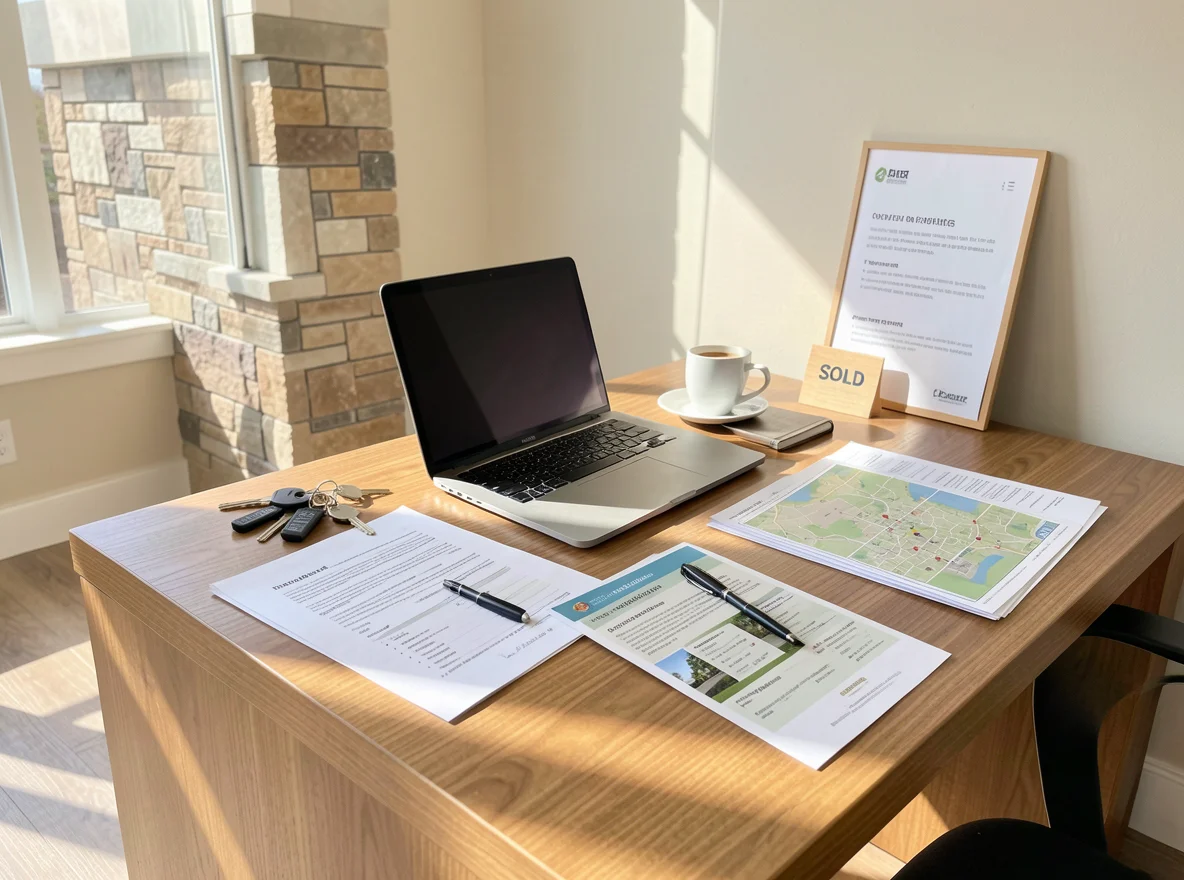
For buyers, lender requests deserve particular attention. A preapproval is not the same as final loan approval, and the lender may need updated financial records, insurance information, or an explanation of a deposit. Avoid making significant financial changes without discussing them with the lender, because those changes could affect underwriting.
For sellers, prompt access and complete responses can help inspections and document review proceed. If agreed repairs are required, keep receipts and communicate about completion. If a surprise arises—such as an unresolved lien, a delayed payoff statement, or an issue with a required document—tell your agent and escrow team so they can discuss next steps.
Buyers and sellers should also confirm who is responsible for each cost. Escrow fees, title charges, transfer taxes, inspections, association charges, and other expenses may be allocated by the agreement, local practice, or negotiation. Request an estimate early and compare it with the final figures before signing.
Talk with Cynthia about your transaction
The final days before closing
As closing approaches, the lender works toward final approval and sends loan documents for signing. Buyers should review the Closing Disclosure and ask their lender about any unfamiliar charges or changes. For many mortgages, federal rules require the lender to provide this disclosure at least three business days before consummation; the lender can explain how that timing applies to the loan.
The buyer typically has an opportunity for a final walkthrough under the purchase agreement. This is a chance to check the property’s condition, verify agreed repairs as appropriate, and confirm that included items remain in place. It is not a replacement for the earlier inspection. Bring concerns to your agent promptly rather than assuming they will be resolved after closing.
Escrow will provide instructions for the remaining funds and signing. Verify wiring instructions by calling a trusted, independently confirmed phone number before sending money. Do not rely on a number or changed instructions in an unexpected email or text; real estate transactions are a target for wire fraud.
Signing documents is not necessarily the same as closing. In California, closing generally follows completion of the required conditions, funding, and recording of the deed. Confirm with escrow and your agent when recording has occurred and when possession or key delivery is due under the agreement.
A clearer path from offer to keys
Whether you are buying or selling in Orange County, the best preparation is specific: read your agreement, track its deadlines, and ask for clarification when a document or decision is unfamiliar. Cynthia Ng can help you understand the transaction’s moving parts and coordinate questions with the right professionals. For legal, tax, lending, or title advice, consult the appropriate qualified adviser.