
A home inspection is one of the clearest ways to understand a San Diego property beyond the listing photos and open-house impressions. Knowing what inspectors review, how to read a report, and when to request specialist input can help you make a thoughtful decision while keeping your purchase timeline moving.
What a Home Inspection Is Designed to Do
After an offer is accepted, the inspection period is an opportunity to look more closely at the home’s visible condition and major systems. A qualified inspector typically evaluates accessible areas of the roof, structure, exterior, interior, plumbing, electrical components, heating and cooling equipment, built-in appliances, and drainage conditions around the property. The inspection is not a guarantee that every issue will be found, but it can provide a practical snapshot of conditions on the day of the visit.
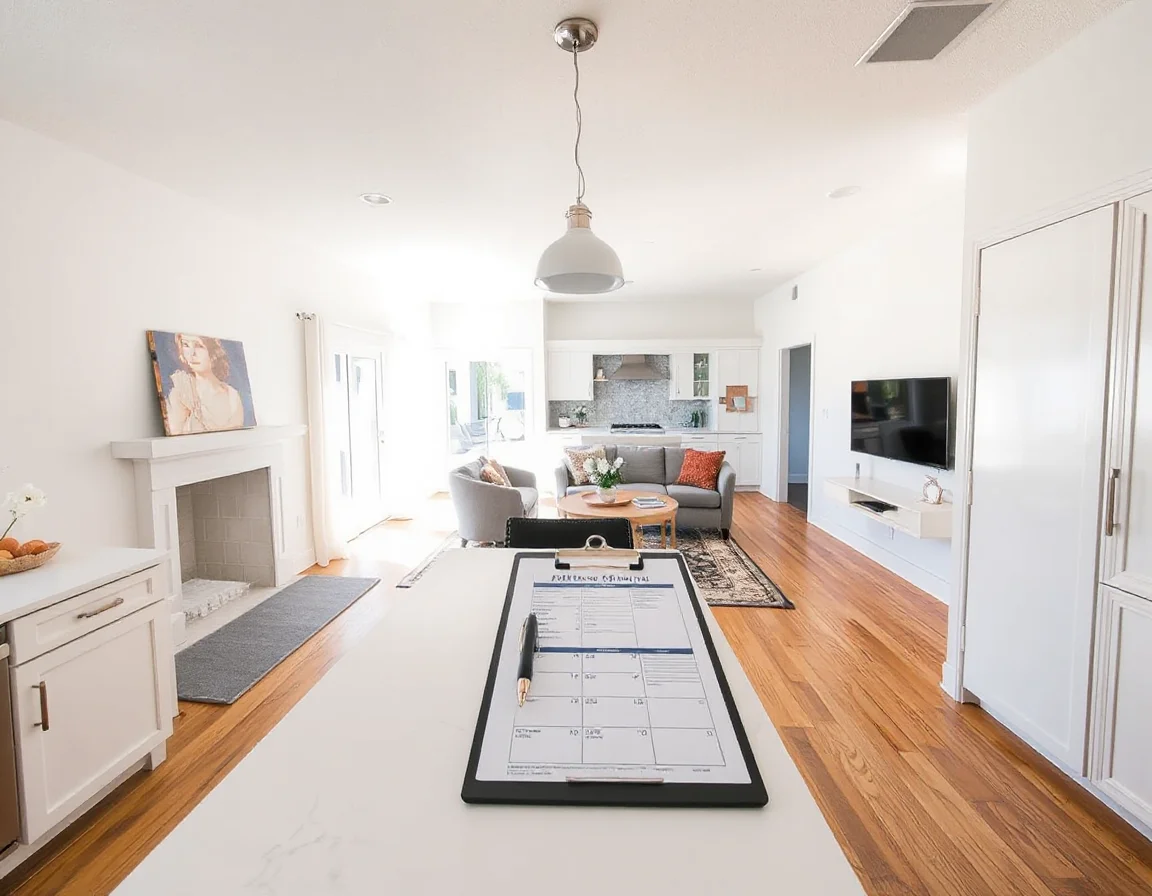
It helps to approach the report as a planning document rather than a pass-or-fail scorecard. Nearly every home, whether newly built or decades old, will have maintenance items. Loose handrails, aging caulk, a GFCI outlet that needs attention, or worn weatherstripping may be straightforward repairs. Other findings, such as roof wear, a compromised drain line, electrical panel concerns, or signs of moisture intrusion, may warrant additional review before contingency deadlines arrive.
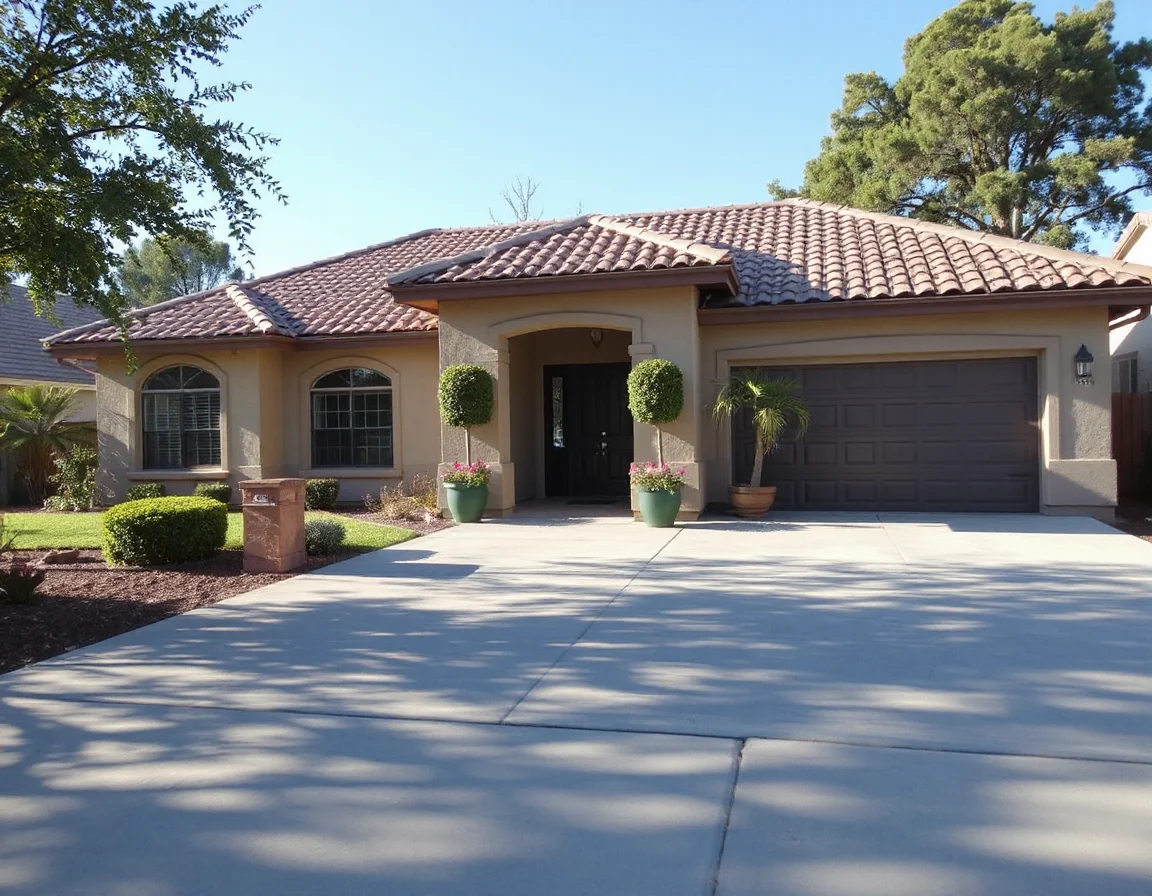
San Diego’s climate and housing stock create a few recurring topics worth noting. Coastal air can contribute to corrosion on exterior metal components, while strong sun exposure may affect roofing materials, exterior paint, and seals around windows. Inland properties can have different concerns, including temperature swings, grading, irrigation, and aging HVAC equipment. In hillside areas, drainage patterns and retaining features deserve especially careful attention. These are not automatic defects; they are useful areas for informed questions.
The most useful inspection reports separate routine upkeep from items that may affect safety, function, longevity, or future budgeting. Ask the inspector to help you understand that difference before reacting to a long checklist.
Whenever possible, attend at least part of the inspection. Walking through the property gives you context that is difficult to capture in photographs alone. An inspector can point out shutoff locations, explain how systems operate, and show where regular maintenance may be needed. Bring a notebook, take photos for your records, and save detailed questions for the end so the inspector can complete the evaluation without interruption.
How to Read the Report Without Getting Overwhelmed
Inspection reports can be extensive because they document both observations and limitations. A report may note that an area was inaccessible, an appliance could not be tested, or a component appeared to be near the end of its typical service life. Those statements are valuable because they identify where more information may be needed, but they do not always mean a system has failed.
A productive next step is to sort findings into three groups: immediate health or safety concerns, material repairs or specialist evaluations, and ordinary maintenance. This approach keeps the conversation focused on the items most likely to affect your decision, your budget, or the property’s performance. It also helps avoid spending valuable contingency time debating small cosmetic details that can be addressed gradually after closing.
If the inspector recommends further evaluation, consider bringing in the appropriate licensed specialist. Depending on the finding, that could mean a roofer, plumber, electrician, HVAC technician, foundation professional, chimney inspector, or pest-control company. A specialist can often clarify the condition, describe possible repair options, and provide estimates that are more specific than a general inspection report can offer.
Be mindful of timing. Purchase contracts commonly include inspection-related deadlines, and the calendar can move quickly once reports begin arriving. Schedule inspections promptly after the contract is in place, leave time for any recommended follow-up visits, and discuss the results with your real estate professional. Your lender, insurance provider, or homeowners association may also need information related to particular property features, so early organization can prevent last-minute surprises.
A specialist visit is most helpful when it answers a specific question: what is the condition, what work is recommended, what is the likely cost range, and how soon should it be addressed?
Requests for repairs, credits, or other solutions are part of a business conversation between the parties and depend on the property, contract terms, market conditions, and the significance of the findings. There is no universal list of items a seller must address. Keeping requests focused, documented, and proportionate to material findings can make negotiations clearer for everyone involved.
Special Considerations for San Diego Properties
Beyond the general inspection, buyers may choose additional due diligence based on the home’s location and features. Older properties may benefit from sewer-line scoping, especially when mature landscaping or aging pipes are present. Homes with fireplaces may need chimney review. Properties with pools, solar equipment, extensive decks, retaining walls, or significant slopes may call for targeted inspections by professionals familiar with those systems.
It is also important to review available seller disclosures, permits, repair records, warranties, utility information, and homeowners association documents when applicable. These materials can provide helpful history, though buyers should still conduct their own investigation. A permit record or invoice may explain prior work, while an absence of documentation can signal a question worth exploring further. For legal, tax, insurance, or environmental questions, consult the appropriate qualified professional.
Coastal and inland microclimates can differ substantially across the county, so it is useful to consider the individual property rather than relying on broad assumptions. Look at sunlight, ventilation, drainage, exterior materials, landscaping, and ongoing maintenance needs. A home that has been carefully maintained may still have deferred projects ahead, while another property may have recently updated systems but need attention in less visible areas.
Turning Information Into a Confident Next Step
The goal of inspection due diligence is not to eliminate every uncertainty. It is to replace assumptions with useful information. Once you understand the property’s current condition, likely maintenance needs, and any recommended repairs, you can decide whether to proceed, renegotiate within the terms of your contract, obtain more expert input, or continue your search.
A calm, organized inspection process can make a major purchase feel far more manageable. Save reports and estimates in one folder, keep an eye on deadlines, and prioritize questions that affect the home’s structure, systems, water management, and intended use. With a clear plan and the right professionals involved, you can evaluate a San Diego home with greater perspective and move forward based on facts rather than guesswork.