

Moving to San Diego involves more than comparing bedrooms and price points. Time spent in nearby parks, everyday dining areas, and on the road can shape how a home feels long after closing day. A little local research before touring homes can help you narrow your search around the routines that matter most to you.
Start With the Rhythm of Your Everyday Week
San Diego County offers an unusually broad mix of coastal neighborhoods, established urban districts, inland communities, hillside streets, and growing employment centers. That variety is part of the appeal, but it also means that “close by” can look very different from one address to another. Before planning a move, it helps to map the places you expect to visit regularly: a workplace, grocery store, park, fitness studio, medical office, library, transit stop, or favorite place to meet friends.

Parks are a practical starting point because they reveal how a neighborhood connects. San Diego has large regional destinations such as Balboa Park and Mission Bay Park, alongside smaller community parks with paths, athletic facilities, picnic areas, gardens, and open space. When touring, consider not only the name of the nearest park but also the route to reach it. Is there a direct sidewalk connection? Would you drive, cycle, or take transit? Are the facilities you want available at the times you would realistically use them?
It is also worth checking a park’s official calendar, maintenance notices, parking rules, and reservation policies. Larger event days can change traffic patterns around nearby streets, while smaller neighborhood parks may have limited parking during popular programs. These details are not drawbacks; they are simply useful context for understanding how an area functions on a typical weekday and a busy weekend.
A five-minute drive on a quiet Tuesday can become a much longer trip during an event, beach season, or peak commute period. Test the routes that will be part of your actual routine, not just the route to a showing.
For many home buyers, the most helpful question is simple: What would I do here on an ordinary Saturday morning? The answer may include a walk through a canyon preserve, a lap around a waterfront path, a visit to a public garden, or a stop in a neighborhood business district. Exploring at different times of day gives a fuller picture than a single showing window can provide.
Explore Dining Areas as Part of the Location Research
San Diego’s food scene is distributed across the county rather than concentrated in one center. From coastal corridors to North Park, Little Italy, Convoy, Liberty Station, La Jolla, South Park, Old Town, and many inland hubs, dining options can be a useful indicator of how people gather and move through a district. The goal is not to find a neighborhood that fits a label; it is to identify places that match your own preferred pace, budget, and routines.
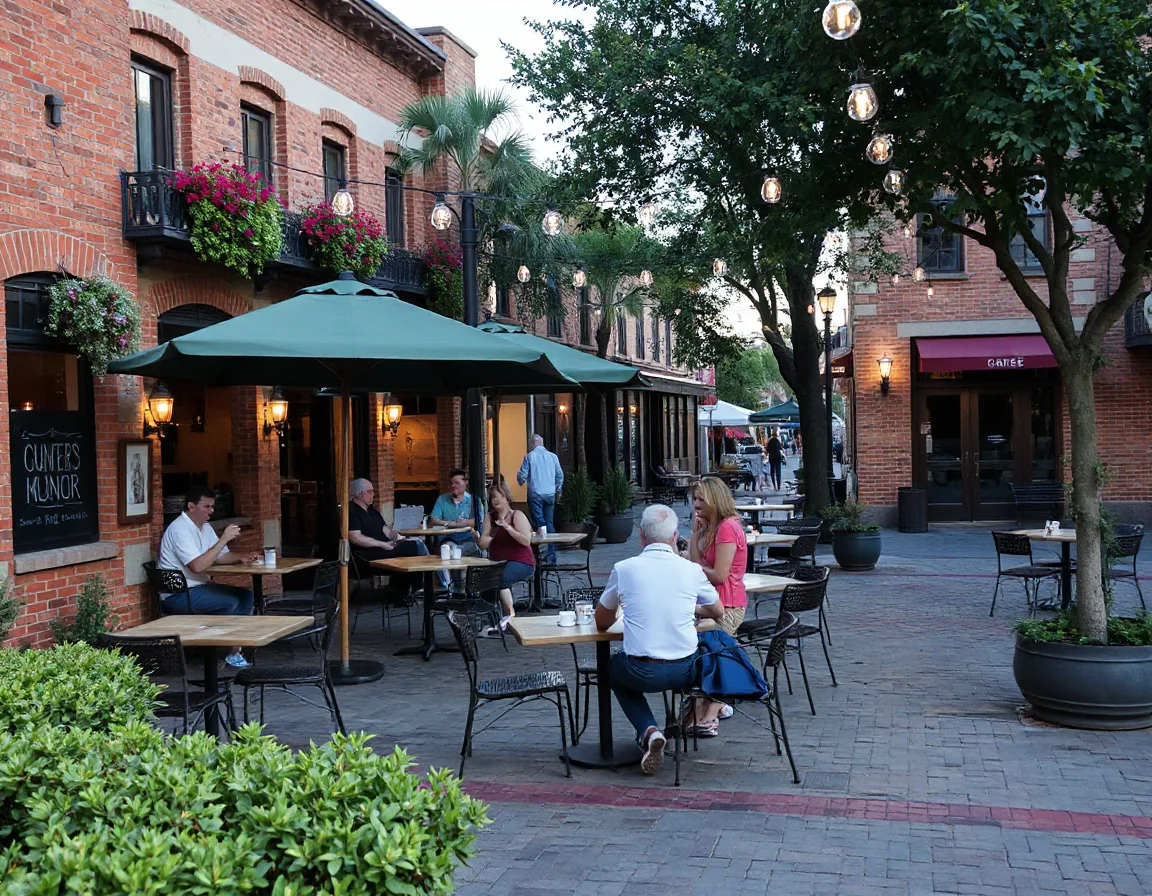
When you visit an area, look beyond one highly rated destination. Walk a few blocks, observe the available parking, notice lighting and street crossings, and see whether there are casual takeout choices, sit-down options, coffee counters, and specialty markets nearby. A district that feels lively in the evening may be comparatively calm early in the day, while a popular weekend corridor may have a very different parking experience than it does on a Wednesday afternoon.
Dining proximity can also affect a property search in less obvious ways. Homes near active commercial corridors may offer easier access to amenities but experience more delivery activity or event traffic. Properties farther from those corridors may feel more removed while requiring additional driving. Neither approach is universally better. Comparing these tradeoffs in person makes it easier to prioritize the setting, access, and daily convenience that work for you.
Check official city resources and individual business websites for hours, construction updates, street closures, and public transportation service. San Diego’s microclimates also matter: an outdoor meal in a coastal neighborhood can feel noticeably different from one farther inland, especially later in the afternoon. Bringing those details into your home search can turn a broad map search into a more informed shortlist.
Plan Commutes With Realistic Timing
Commute planning is one of the clearest ways to compare potential locations. Major routes such as Interstate 5, Interstate 8, Interstate 15, State Route 52, State Route 56, State Route 94, and State Route 163 connect much of the county, but travel time can change sharply depending on direction, weather, school schedules, sporting events, seasonal visitors, and construction. A map estimate is a useful first step, not a final answer.
Try entering several likely departure times into a navigation app over multiple days. If possible, drive or ride the route during the morning and afternoon periods that resemble your schedule. Include the time needed to leave a garage, find parking, walk from a transit station, or handle a stop along the way. For remote or hybrid schedules, test the trips you will still make regularly rather than assuming a reduced commute eliminates location considerations.
Public transportation may be part of the equation as well. The San Diego Metropolitan Transit System operates bus and trolley service across many areas, while COASTER rail service connects coastal communities between San Diego and Oceanside. Access, transfer timing, station parking, bicycle storage, and the walk from a stop to your destination should all be verified directly through current transit schedules.
It can be helpful to build a “three-trip test” for each home you are considering: the route to work or a frequent destination, the route to an essential errand, and the route to a preferred recreational area. The results often clarify whether a home’s location supports the way you actually spend time. This approach is especially valuable in a county where a few miles can mean a different freeway, a different topography, or a different traffic pattern.
Use Local Exploration to Make a Better Home Decision
A thoughtful San Diego search combines property details with on-the-ground exploration. Visit parks, try a meal or coffee in the surrounding area, check travel times, and take notes after each outing. Over time, patterns will emerge: perhaps you value easy access to a trail, a short connection to a transit line, an active public space, or a quieter route to daily errands.
Market conditions and available inventory will influence the final options, but location research gives you a clearer framework for evaluating them. Cynthia Ng can help you compare listings with the practical questions that matter beyond the front door, so your search reflects both the home itself and the life you plan to build around it.