
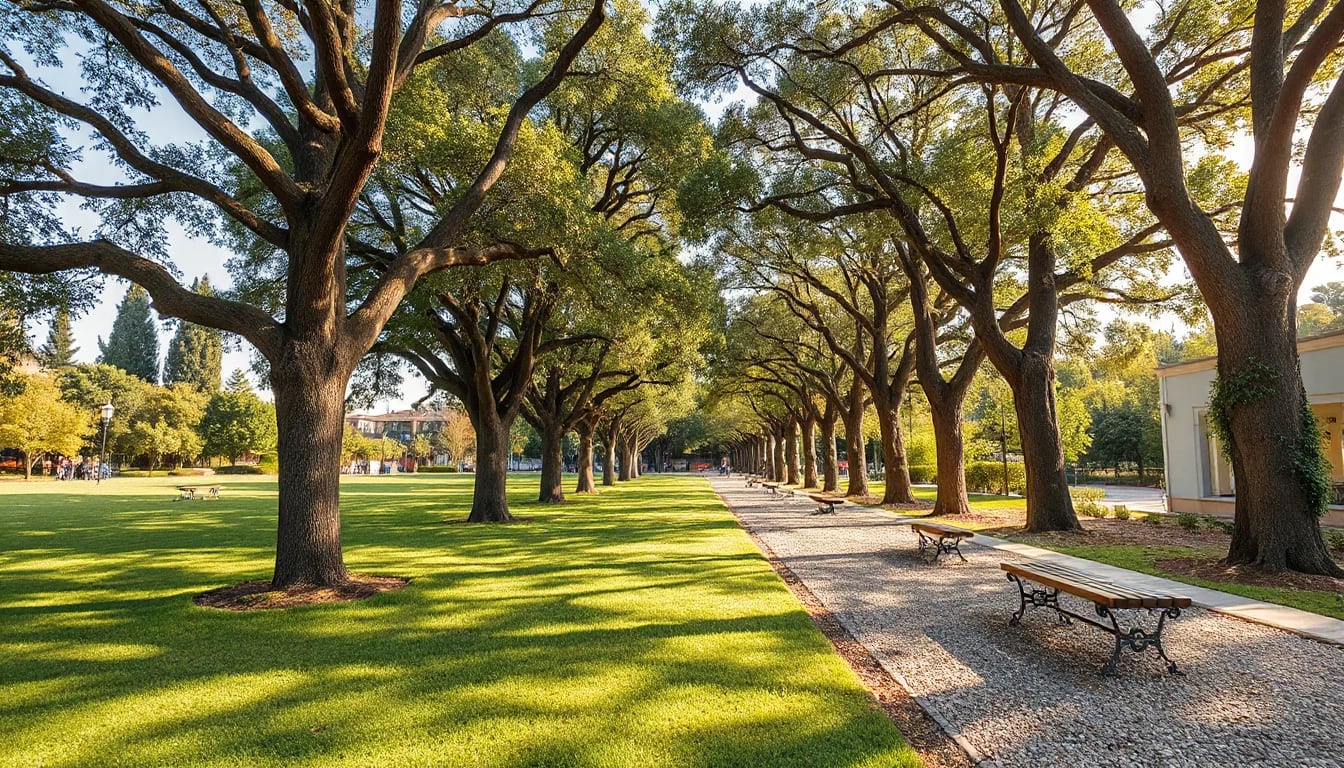
Hillcrest puts everyday San Diego essentials within a compact, energetic setting: Balboa Park nearby, established transit connections, independent dining, and a housing mix that ranges from classic bungalows to contemporary condominiums. Understanding its blocks, parking patterns, and property types can help buyers compare homes with clarity and help owners position a property around the features that matter most.
A Central San Diego Location with a Distinct Rhythm
Hillcrest sits just north of Balboa Park and close to several of San Diego’s central neighborhoods, creating a location where errands, recreation, and regional connections often overlap. University Avenue and Washington Street provide important east-west routes, while nearby arterial roads link the area with Mission Valley, Downtown San Diego, North Park, and the coast. The result is a neighborhood that feels active throughout the day without relying on a single destination or attraction.
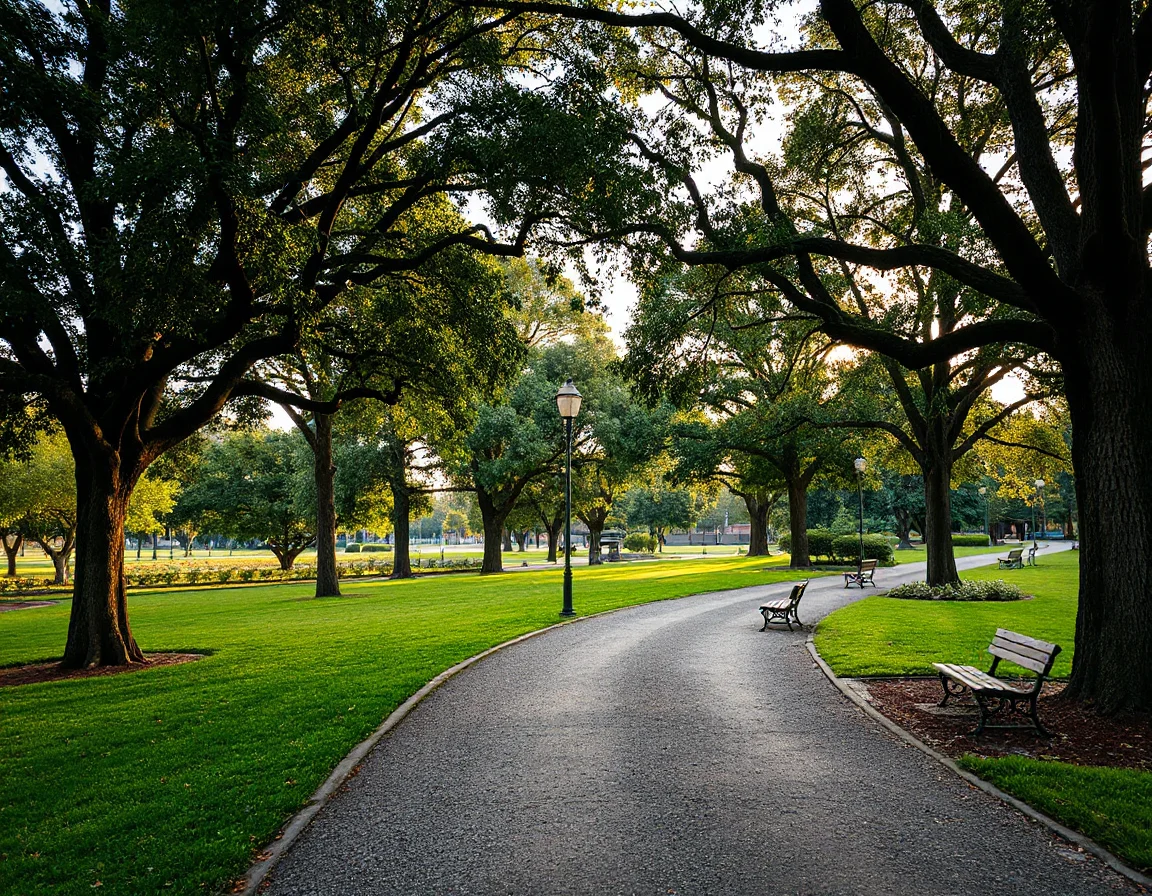
Its appeal begins with proximity. Balboa Park’s museums, gardens, paths, cultural venues, and open lawns are close enough to become part of a regular routine rather than an occasional outing. The San Diego Zoo is also located within the park, adding another well-known regional destination nearby. For buyers who value access to outdoor space without leaving the city’s core, that relationship to the park is a meaningful part of Hillcrest’s real estate story.
The neighborhood’s streets offer noticeably different experiences from one block to the next. Larger corridors carry transit, dining, services, and daily activity, while many residential streets quickly shift to mature landscaping, varied setbacks, and low-rise housing. When touring, it is useful to spend time both on the immediate block and along the route from the home to nearby destinations. Street noise, natural light, grade changes, parking availability, and the condition of surrounding homes can all vary within a few blocks.
Hillcrest is also known for its established commercial activity, with independent businesses and practical services mixed into the neighborhood fabric. The area rewards an unhurried walk: a short route may include a grocery stop, a pharmacy, a fitness studio, a patio meal, or a stop for coffee. That convenience can reduce driving for some daily tasks, though the exact experience depends on a property’s location and an individual’s preferred destinations.
In Hillcrest, a difference of only a few blocks can change a home’s sound level, parking routine, and access to transit—visit at more than one time of day before making comparisons.
Parks, Recreation, and Time Outside
Balboa Park is the headline recreation resource, but Hillcrest’s outdoor value is broader than a single landmark. Tree-lined sidewalks, small green spaces, and access to nearby canyon and park routes encourage short walks as well as longer weekend outings. The neighborhood’s central position also makes it practical to reach other San Diego destinations for beaches, trails, waterfront activities, and regional events.
For a closer-to-home outing, the Hillcrest Farmers Market is a familiar Sunday feature along University Avenue. It brings fresh produce, prepared foods, plants, and local makers into the neighborhood, creating a weekly reason to explore the corridor on foot. Schedules and street closures can change, so residents and visitors should confirm current details before planning around the market.
Dining is similarly varied. Rather than one uniform restaurant district, Hillcrest offers casual counters, bakeries, globally influenced menus, outdoor patios, and long-running local favorites spread across the neighborhood and its nearby corridors. This variety is useful for everyday living because it supports different occasions, from a quick weekday meal to a longer evening out. Buyers comparing nearby areas often find that Hillcrest’s concentration of everyday options is one of its most tangible advantages.
The surrounding central neighborhoods add even more choices. North Park, Mission Hills, University Heights, Bankers Hill, and Downtown San Diego are all accessible from Hillcrest, making the area a convenient starting point for exploring music venues, galleries, waterfront attractions, museums, and seasonal events. As with any urban location, travel times depend on traffic, event schedules, and the time of day.
Transit, Biking, and the Practical Side of Getting Around
Hillcrest is served by Metropolitan Transit System bus routes, with connections that can lead toward Downtown, Mission Valley, Old Town, and other areas of San Diego. Bus service is especially relevant for residents who prefer to combine walking with transit or who want another option for commuting and appointments. Route frequency, stop locations, and schedules should always be checked directly with MTS because service patterns can change.
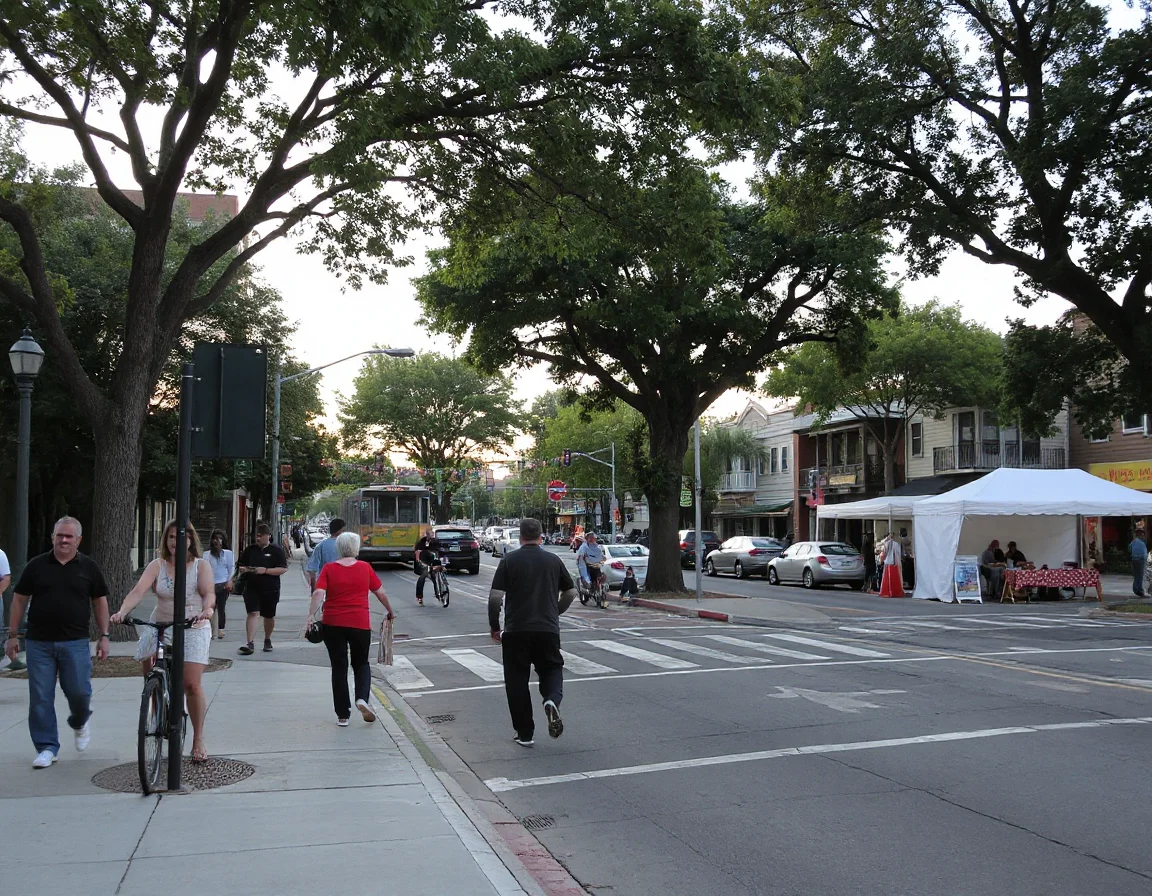
Biking and walking can work well for many local trips, particularly near the major corridors, but Hillcrest’s hills deserve attention. A route that feels simple on a map may involve a noticeable climb, a busy intersection, or limited separation from vehicle traffic. Touring a route in person is the best way to understand whether it fits your daily routine. The same is true for parking: some homes have garages, driveways, assigned spaces, or alley access, while others rely more heavily on street parking.
For drivers, Hillcrest’s location can be efficient for reaching major employment centers and destinations across central San Diego. However, dense activity, special events, and peak travel periods can affect travel times. Buyers should consider how often they plan to drive, whether a property includes off-street parking, and how guests or service providers may access the home. These practical details are often just as important as finishes, square footage, or a view.
A home with dedicated parking can carry outsized day-to-day value in a central neighborhood, so compare the number, size, access, and usability of spaces—not simply whether parking is listed.
Transit access also benefits owners thinking about resale. Homes near useful bus connections and walkable amenities can appeal to a wide range of buyers looking for flexible transportation options. The strongest listing descriptions stay factual: identify nearby routes, approximate walking distances, parking features, and access points instead of making assumptions about how a future owner will use them.
Housing Styles and What to Compare
Hillcrest housing includes a broad mix of property types: early- and mid-century homes, smaller cottages, duplexes and other multifamily buildings, townhomes, and condominium communities. Architectural details can include front porches, stucco facades, wood siding, tile roofs, original millwork, and updated interiors. Some properties have been extensively remodeled, while others offer an opportunity to evaluate future improvements.
Because many homes were built in different eras, due diligence matters. Buyers should look beyond cosmetic updates and ask informed questions about electrical systems, plumbing, roofs, drainage, foundations, insulation, HVAC, permits, and any shared-wall or homeowners association responsibilities. Older character can be a major draw, but it should be paired with a clear understanding of maintenance needs and renovation history.
Condominium and townhome buyers should review the full association package, including monthly assessments, reserve information, insurance details, rental restrictions, meeting minutes, and any planned projects. Single-property homes deserve an equally close look at lot layout, easements, retaining walls, landscaping, and parking configuration. A thoughtful comparison is less about choosing one type over another and more about matching the property’s ongoing responsibilities with your plans.
For sellers, the neighborhood’s housing variety makes preparation especially important. Strong photography, accurate details about parking and outdoor space, clear records for improvements, and practical guidance for showings can help buyers understand the home’s value. A well-presented property should emphasize verifiable features: room count, lot size, renovation dates when documented, storage, transit access, and proximity to parks or services.
Making a Confident Hillcrest Search
Hillcrest offers a layered version of central San Diego living—close to major cultural resources, connected to transit, and full of daily conveniences. It is a place where the details matter: a quiet residential block, a shaded porch, a designated parking space, a remodeled kitchen, or a short route to Balboa Park can each shape how a home functions from day to day.
Start with a list of priorities, then test those priorities during visits. Walk the surrounding blocks, check travel routes at realistic times, review property disclosures carefully, and compare homes by condition as well as location. With a focused search and a clear understanding of the neighborhood’s practical tradeoffs, buyers can evaluate Hillcrest homes with greater confidence and sellers can tell a more complete story about what their property offers.