

Closing costs are a real part of buying or selling a San Diego home, but they do not have to be a last-minute surprise. Knowing which expenses belong to the buyer, seller, lender, and escrow company helps you compare offers clearly, set a practical cash target, and move toward closing with fewer unknowns.
Start With the Big Picture
Closing costs are the collection of fees, prepaid items, and transaction expenses due as a real estate purchase is finalized. They are separate from a buyer’s down payment, although both may be paid at closing. In San Diego County, the final amount depends on the purchase price, loan type, negotiated contract terms, timing, property taxes, insurance, and the service providers involved. The most useful approach is not to memorize a single percentage; it is to understand the categories, request estimates early, and revisit the numbers whenever the contract changes.
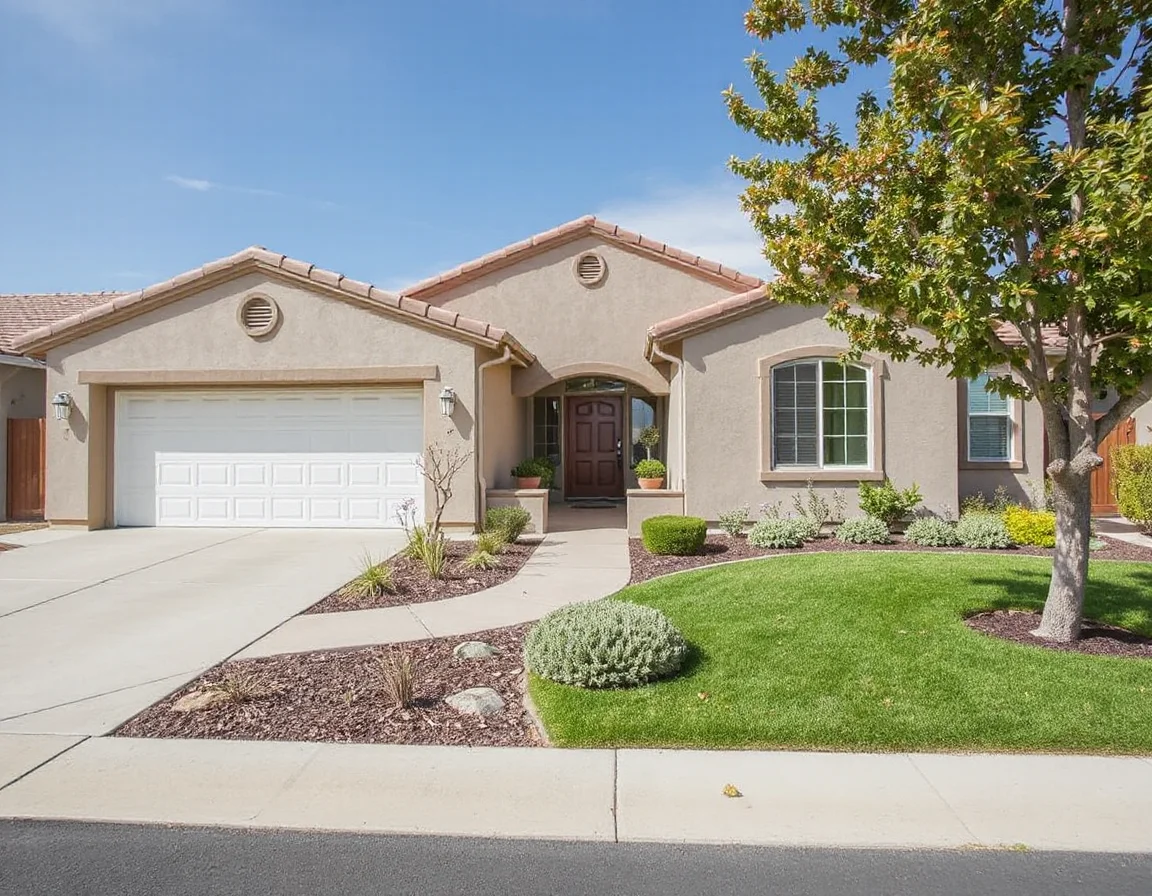
For buyers, the largest cash items are often the down payment, lender-related charges, prepaid property taxes and insurance, and the funds needed to establish an escrow account when required by the loan. A Loan Estimate, generally provided shortly after a mortgage application, is an important early reference point. It outlines projected loan costs, services the buyer may shop for, prepaid charges, and an estimated cash-to-close figure. It is an estimate rather than a final invoice, so ask questions whenever a line item is unclear.
For sellers, the most significant expense is often the real estate commission negotiated in the listing agreement, followed by escrow and title-related charges, applicable transfer taxes, payoff amounts for existing loans, and agreed-upon buyer credits or repair concessions. A seller may also have costs connected to preparing the property for market, such as inspections, repairs, staging, or landscaping. These are not always paid through escrow, but they belong in the overall financial plan.
San Diego’s variety of property types can make details matter. A condominium may involve an homeowners association document package or transfer-related charges. A property with solar, leased equipment, a special assessment, or a homeowners association can require additional review. Homes in particular tax areas may have supplemental property tax considerations after a change in ownership. None of these items automatically makes a transaction more difficult; they simply deserve time, documentation, and a clear conversation before the contingency deadlines approach.
A closing-cost estimate is most valuable when it is updated after inspections, appraisal, loan approval, and negotiations—not treated as a one-time worksheet from the first week.
What Buyers Should Review Before Removing Contingencies
Buying in San Diego often means balancing a purchase budget with the cash needed to close. A buyer’s lender and escrow team can explain the estimated total, but buyers should still read the figures line by line. Common charges can include appraisal and credit report fees, loan origination or underwriting charges, title insurance, escrow fees, recording fees, prepaid daily interest, homeowners insurance, and property-tax reserves. Depending on the loan program and contract terms, mortgage insurance or an upfront funding fee may also apply.

It is also important to separate costs that are prepaid from fees that are strictly transactional. Prepaid interest covers the period between loan funding and the first mortgage payment. Prepaid insurance establishes coverage before the loan closes. Property tax reserves can be collected so the lender has funds available when tax bills are due. These amounts may feel substantial on the closing disclosure, but they are not all fees paid solely for processing the transaction.
Negotiation can affect the final cash figure. A seller credit, when permitted by the loan program and within lender limits, may help cover certain closing costs. A credit cannot typically be used as a substitute for the down payment, and unused credit may not be returned as cash. The exact structure should be reviewed with the lender before an offer is submitted, especially when buyers are comparing interest-rate options or considering a rate buydown.
The Closing Disclosure is the final key document for financed purchases. Buyers generally receive it at least three business days before consummation, creating time to compare it with the earlier Loan Estimate. Focus on the loan terms, interest rate, projected monthly payment, cash to close, and any charges that changed. If a number seems unfamiliar, ask the lender or escrow officer for an explanation before signing. Careful questions are part of a confident transaction, not a sign that something has gone wrong.
Keep a separate reserve beyond the estimated cash to close for moving, immediate maintenance, utility setup, or timing changes that may occur outside of escrow.
A Seller’s Plan for Net Proceeds
Sellers benefit from looking beyond the list price and focusing on estimated net proceeds. A preliminary seller net sheet can show how projected sales proceeds are reduced by loan payoffs, commissions, escrow and title charges, negotiated credits, property-tax proration, and other obligations. It is a planning tool, not a guarantee, because the final amount depends on the accepted offer, closing date, payoff statements, and terms reached during negotiations.
Property taxes are commonly prorated between the buyer and seller based on the closing date. In practical terms, each party generally pays the portion associated with their period of ownership, subject to the purchase agreement and local escrow practices. Existing liens, solar agreements, homeowners association balances, and required documentation can also influence a seller’s final statement. Ordering information early gives the transaction team time to identify and resolve issues before closing becomes time-sensitive.
Repair discussions may affect the financial result as well. A seller might agree to complete a repair, provide a credit, or decline a request based on the contract, inspections, and market conditions. There is no universal answer that fits every property. The clearest path is to compare the cost, timing, buyer expectations, and impact on the overall transaction rather than considering each request in isolation.
Use the Right Questions at the Right Time
Whether buying or selling, clarity comes from asking specific questions early: Which fees are estimates? Which costs can change? Who is responsible for each title, escrow, recording, association, or inspection item? Are there seller credits, concessions, or repairs that need to appear in the final figures? What must be wired or delivered before closing, and what security steps should be followed to verify instructions?
Wire fraud prevention deserves particular attention. Never rely on an emailed change to wiring instructions without independently verifying it using a known phone number for the escrow company. Confirm the recipient details directly, and do not send funds until the instructions have been verified. This simple pause is one of the most important safeguards in a real estate closing.
Closing costs are ultimately about preparation: understanding the estimate, allowing room for changes, and reviewing each document before funds move. With an organized timeline and reliable professionals, buyers and sellers can focus less on surprises and more on the decisions that shape a successful San Diego transaction.