

A strong Orange County sale begins well before the listing goes live. This practical checklist helps sellers focus on the details that influence photos, showing flow, buyer confidence, and the clarity of an offer—without trying to do everything at once. Use it to create a home presentation that feels cared for, accessible, and ready for careful evaluation.
Start With a Focused Pre-Listing Plan
Preparing a home for sale can feel like a long list of competing priorities, especially when everyday life is still happening around the work. The most effective approach is to begin with a simple plan: identify visible repairs, decide what will be completed before photography, gather important property information, and set realistic dates for cleaning, images, showings, and offer review. A measured plan reduces last-minute decisions and helps every step support the next one.
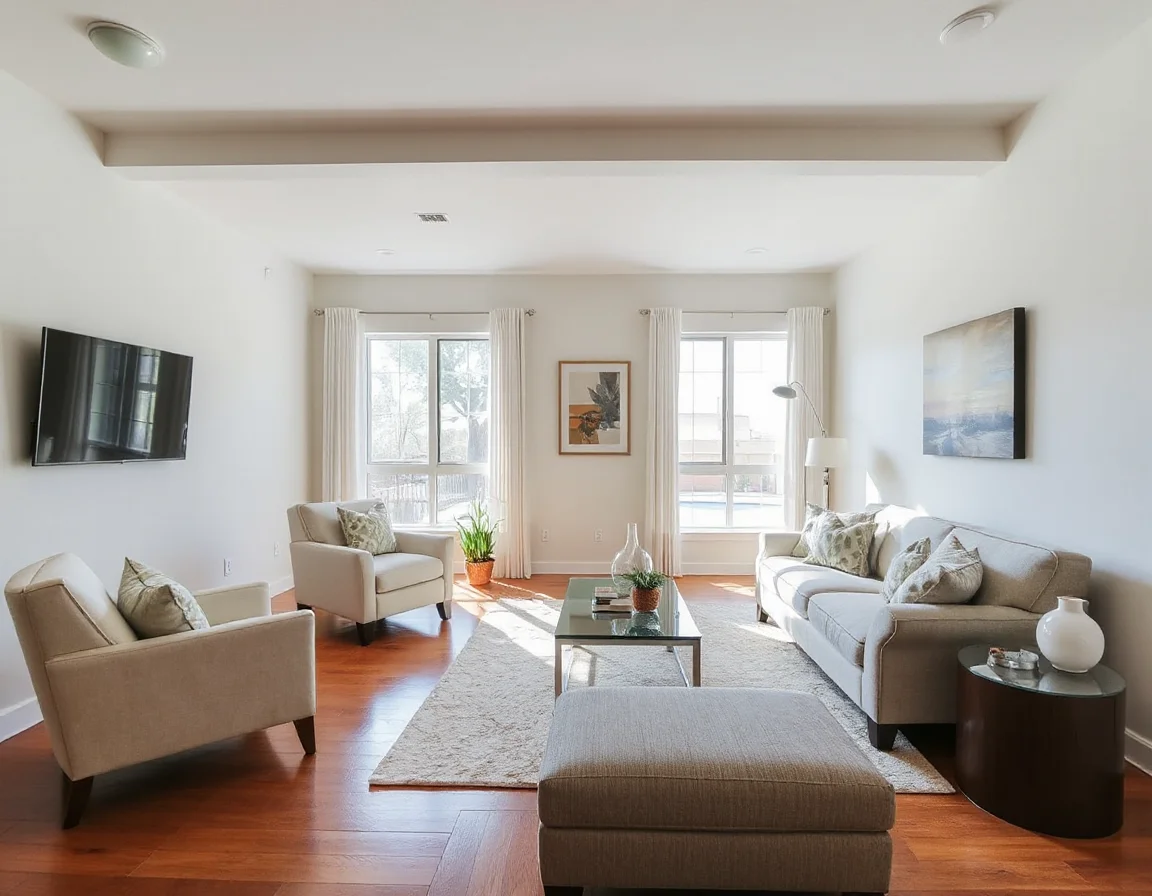
Walk through the property as if you were seeing it for the first time. Make notes about items that draw the eye: a dripping faucet, a cracked switch plate, a loose cabinet pull, burned-out bulbs, scuffed paint, or a gate that sticks. Not every improvement requires a major renovation. Small maintenance items can make the overall presentation feel more complete and help viewers focus on the home’s layout, light, storage, and features.
It is also useful to separate projects into three categories: must-address repairs, high-impact refreshes, and optional upgrades. Must-address items are functional concerns or deferred maintenance that could invite questions. High-impact refreshes may include touch-up paint, fresh grout, updated lighting, or landscape cleanup. Optional upgrades should be considered carefully, with expected timing and local buyer expectations in mind rather than assumed to deliver a dollar-for-dollar return.
A concise repair list is easier to finish than an ambitious renovation calendar. Prioritize clean, functional, well-lit spaces before spending on changes that may not fit the home’s price range or timeline.
Before photography, collect the materials that help tell the property’s factual story. Depending on the home, that may include utility information, warranties, permits, homeowner association documents, appliance manuals, recent invoices, survey information, and a list of improvements with approximate dates. Your real estate professional can advise which documents are most relevant for the listing, disclosures, and later buyer questions.
Prepare Each Room for Photos and Video
Listing photos are often the first opportunity for buyers to understand a home’s spaces. The goal is not to make the property look unfamiliar; it is to make the existing layout easy to see. Clear counters, floors, windowsills, and tabletops so the eye can follow the room rather than stop at visual clutter. Put away personal documents, medication, valuables, excess cords, and highly personal items before a photographer or videographer arrives.
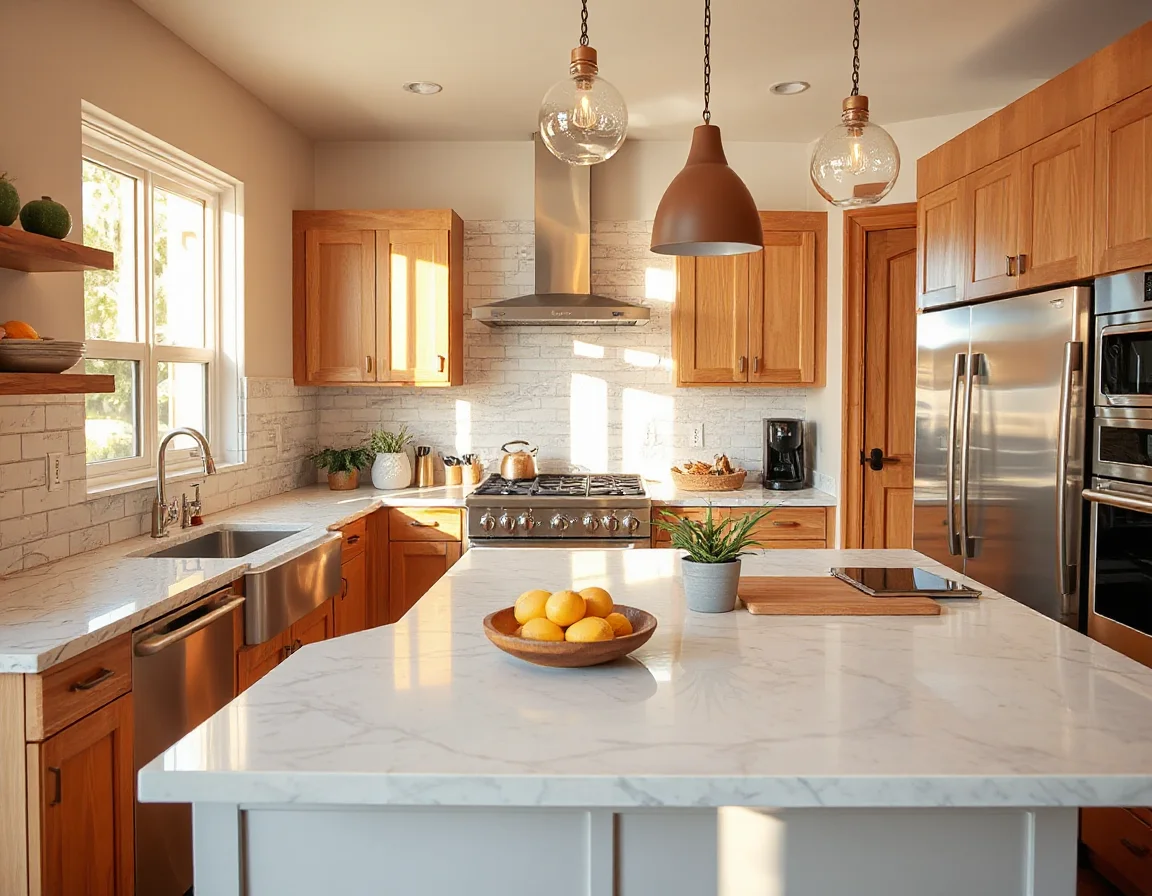
In kitchens, remove small appliances that crowd counters, refrigerator magnets, dish racks, and cleaning supplies. In bathrooms, clear toiletries, close toilet lids, hang fresh towels, and make mirrors shine. Bedrooms tend to photograph best with made beds, visible floor space, and simple surfaces. For living areas, arrange furniture to show natural pathways and avoid blocking windows, doors, or architectural details.
Light matters as much as décor. Replace mismatched bulbs where practical, open window coverings unless privacy requires otherwise, and check that exterior lights are working. A photographer may adjust blinds, lights, or furniture slightly to improve the final image, but a clean and well-prepared starting point makes the appointment more efficient. Ask in advance whether exterior, twilight, drone, or video images are planned so outdoor areas can be prepared at the same time.
Do not overlook storage spaces. Buyers frequently open closets, cabinets, garages, and pantries during showings. These spaces do not need to be empty, but orderly storage communicates usable capacity more clearly than tightly packed shelves. Consider boxing seasonal items and placing them off-site or neatly in one designated area before the home is photographed and shown.
Create a Simple Showing Routine
Once the property is active, a repeatable showing routine can make a busy period feel more manageable. Keep a small basket or bin ready for daily essentials, mail, pet items, chargers, and personal belongings that need to be put away quickly. A final five-minute sweep before leaving can include opening window coverings, turning on selected lights, checking countertops, taking out trash, and confirming that the entry is clear.
Make arrangements for pets and any items that could interfere with access. Secure valuables, financial records, keys, and prescription medications. If a showing schedule requires flexibility, communicate clearly with your agent about preferred notice periods, unavailable times, and any property-specific access instructions. Consistent information helps agents coordinate appointments while respecting the seller’s schedule.
Exterior presentation deserves the same attention as the interior. Trim overgrown plants, remove dead leaves, sweep walkways, store hoses and bins, and make sure the address is visible from the street. In Orange County, outdoor areas can be a meaningful part of how a home is experienced, whether that means a patio, balcony, garden, pool area, or compact courtyard. Clean surfaces and defined seating areas help visitors understand how the space functions.
Be Ready When Offers Arrive
An offer is more than a proposed price. Reviewing one carefully means looking at financing terms, down payment, deposit, requested contingencies, timelines, inclusions, credits, appraisal language, and the proposed closing date. Your agent can help you compare terms side by side and explain how each detail may affect convenience, risk, and the likelihood of closing on schedule.
Keep disclosure materials and repair records organized so questions can be answered accurately. California sellers have disclosure obligations, and timely, complete information supports a more transparent transaction. If you are uncertain about a past repair, permit, boundary matter, homeowner association rule, or property condition, discuss it with the appropriate professional rather than guessing. Clear documentation can prevent avoidable confusion later in the process.
The strongest offer is not always defined by one number alone. Closing dates, contingencies, financing, requested credits, and the buyer’s overall terms should be reviewed together.
Consider your own next steps before offers arrive. Think through preferred move timing, whether you need a rent-back arrangement, which fixtures or personal property will remain, and what documents may be needed for title or payoff. Having these decisions outlined in advance allows you to respond thoughtfully instead of rushing through important terms while an offer deadline is approaching.
Talk with Cynthia Ng about your sale
A Well-Prepared Sale Is Easier to Navigate
There is no single perfect checklist for every Orange County property, but preparation creates options. A home that is clean, maintained, documented, and ready for access allows its features to be evaluated with fewer distractions. From the first photograph to the final offer review, each completed step can build confidence in the process.
Start with the manageable tasks, keep records in one place, and ask questions early. With a clear sequence for repairs, photos, showings, disclosures, and offers, sellers can move forward with greater focus and make decisions based on the terms that matter most to their goals.