

An appraisal is not a pass-or-fail verdict on a home—it is an independent opinion of value based on the property, recent comparable sales, and current market evidence. For Inland Empire buyers and sellers, understanding how that process works can make contract negotiations, financing, and closing timelines far easier to manage.
Why the Appraisal Matters in an Inland Empire Purchase
Once a purchase agreement is in place, the appraisal often becomes one of the most closely watched milestones in the transaction. When financing is involved, the lender typically orders an appraisal to help confirm that the property supports the loan amount. The appraiser is independent from the buyer, seller, real estate agents, and lender’s loan-production team, and their assignment is to develop a supported opinion of market value—not to validate a contract price.
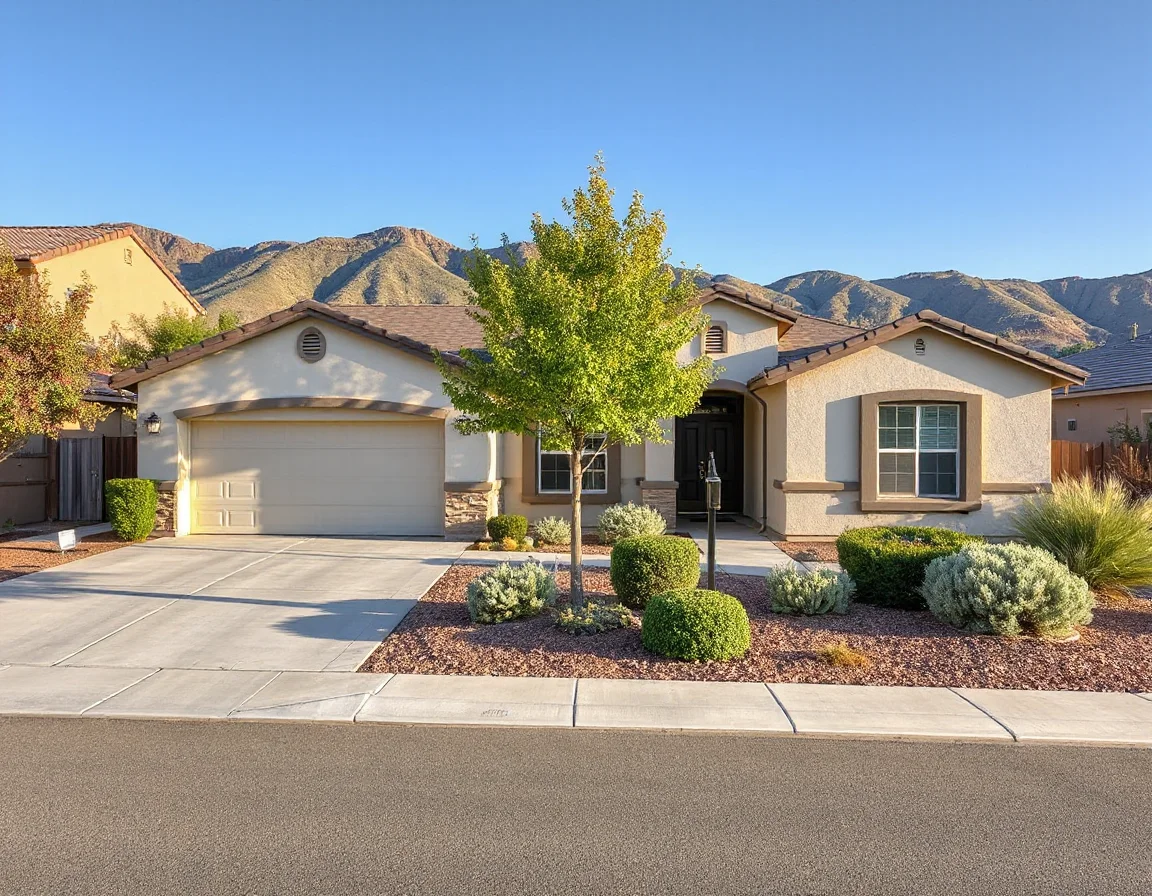
In the Inland Empire, appraisal conversations can be especially nuanced because housing options range from historic homes and compact condominiums to newer planned communities, rural properties, foothill residences, and larger homes on oversized lots. A comparable sale across town may not be truly comparable if it differs in school district boundaries, lot utility, community amenities, age, condition, or access to major transportation corridors. The strongest appraisal reports explain why selected sales were used and how meaningful differences were adjusted.
For buyers, the appraisal offers an additional layer of information before finalizing a purchase. For sellers, it is a reminder that presentation and pricing should be grounded in recent, relevant sales rather than only active listing prices. A list price can reflect an owner’s strategy; a closed sale is evidence of what a buyer and seller actually agreed upon under completed market conditions.
An appraisal looks backward at verified sales while a listing strategy looks forward at current competition. Both matter, but they answer different questions.
It is also helpful to separate the appraisal from a home inspection. An appraisal is primarily about value and marketability for lending purposes. An inspection is a more detailed evaluation of visible property conditions and systems. An appraiser may note obvious deferred maintenance or safety concerns, but an appraisal should not be treated as a substitute for a thorough inspection by a qualified professional.
What an Appraiser Reviews
Although every assignment is different, an appraiser generally reviews the home’s location, site characteristics, gross living area, room count, condition, quality of construction, functional layout, upgrades, and features that influence buyer demand. They also study recent closed sales, listings, pending transactions when relevant, and broader neighborhood market trends. The goal is to identify homes that a typical buyer would consider reasonable alternatives to the subject property.
Square footage is important, but it is not the only factor. A remodeled kitchen, updated roof, usable outdoor space, solar equipment, an attached garage, views, or a well-designed addition may influence value differently depending on the specific market segment. Conversely, a feature that cost a great deal to install does not automatically return its full cost in an appraisal. Market reaction—not renovation cost alone—is what matters.
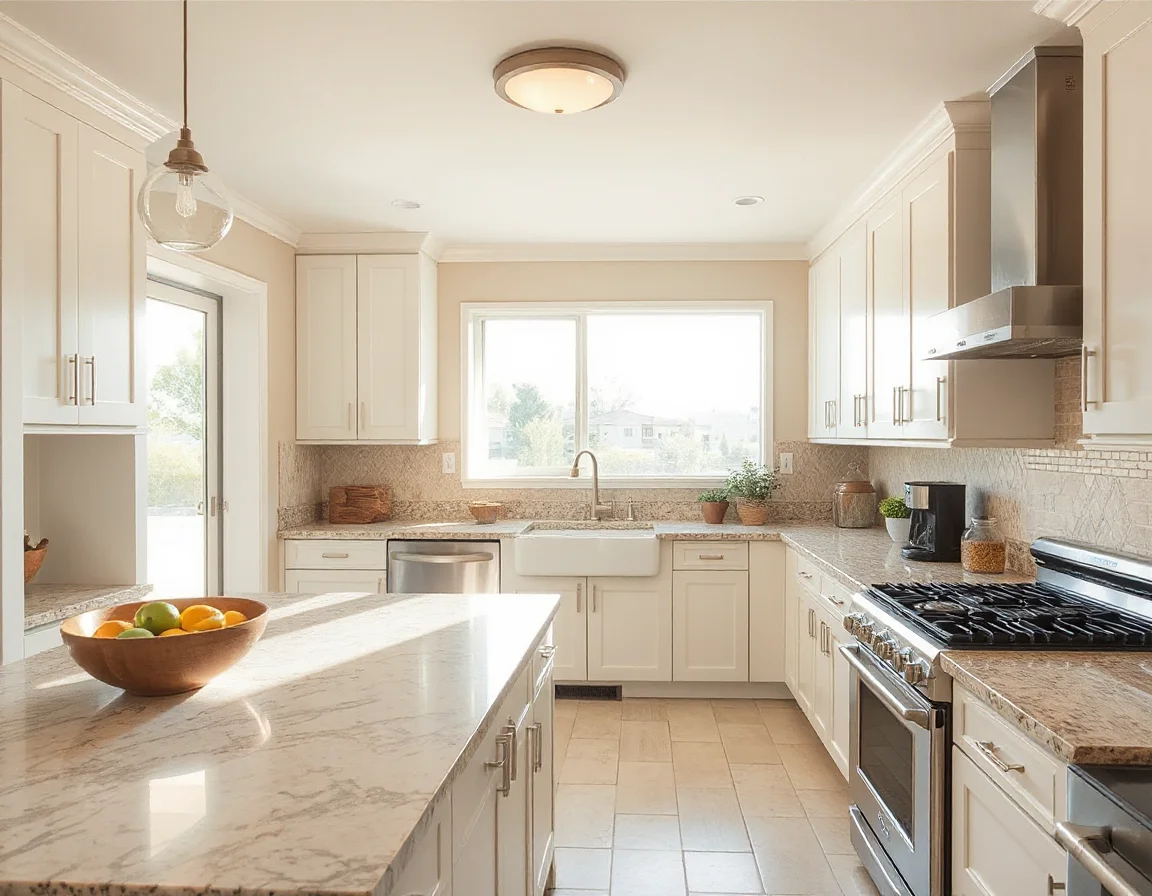
Property condition can carry real weight, particularly when comparable homes show a wide range of updates. Sellers do not need to undertake every possible project before an appraisal, but simple preparation is useful: make utilities accessible, ensure the appraiser can reach all areas of the home, provide a tidy and well-lit environment, and prepare a concise list of recent improvements. Include dates, permits when applicable, and major invoices or warranties. This information does not direct the value conclusion, but it can help the appraiser understand work that may not be immediately visible.
Buyers should remember that appraisers follow lender and professional guidelines, not the emotional momentum of a competitive offer. A home can be the right fit for a buyer’s goals and still receive an opinion of value that differs from the contract price. That is why reviewing financing and appraisal contingencies carefully before writing an offer is so important.
How Comparable Sales Shape the Value Opinion
A common question is why an appraiser did not use the highest-priced home nearby as the main comparison. The answer usually comes down to similarity and timing. A recent sale with a closely matched design, size, location, and condition may be more meaningful than a larger or more extensively updated home that sold for a higher amount. Appraisers generally seek the best available substitutes, then make supported adjustments for significant differences.
Markets can move quickly, and the Inland Empire includes many micro-markets. Conditions in Riverside, Rancho Cucamonga, Ontario, Redlands, Corona, Murrieta, and surrounding communities can vary based on inventory, buyer activity, property type, and local development. Even within the same city, a home near open space, a transit route, a golf course, or a distinct planned community may require a more tailored comparison set.
When the most relevant sales are limited, the appraiser may need to expand the search area or review older transactions—then explain the reasoning and market conditions behind those choices.
Appraisals are not designed to predict every future shift in value. They reflect available market evidence as of a specific effective date. This is one reason a report completed several weeks after an offer is accepted can feel different from a buyer’s experience while touring active homes. Pending sales may signal direction, but closed sales generally provide the most verifiable support.
What Happens If the Value Comes in Below the Contract Price?
A low appraisal does not automatically end a transaction. It creates a decision point. Depending on the contract terms and financing structure, the buyer and seller may renegotiate the price, the buyer may increase funds brought to closing, the seller may offer another concession where permitted, or both parties may agree to another solution. In some cases, the transaction may not move forward. The best path depends on the appraisal report, the buyer’s financing, the contract, and the goals of everyone involved.
Before reacting, review the report closely for factual errors. Is the living area correct? Are the bedroom and bathroom counts accurate? Were major upgrades or site characteristics overlooked? Are the comparable sales genuinely similar? A request for reconsideration of value may be appropriate when there is credible, documented evidence that warrants review. It is not simply a request to reach the contract price.
Sellers can reduce surprises by pricing with current closed sales in mind and by making sure their agent has a thoughtful list of relevant property details ready for the appraiser. Buyers can prepare by discussing appraisal-gap possibilities with their lender and real estate professional before making an offer. Clear expectations turn a stressful milestone into a manageable part of the process.
A Practical Way to Prepare
Whether you are buying or selling, begin with information rather than assumptions. Review recent sales, distinguish active competition from completed transactions, and consider how the home compares in condition, location, layout, and features. If you are selling, keep improvement records organized. If you are buying, understand your loan program, down payment plan, and contingency deadlines before the appraisal is ordered.
Appraisals work best when everyone treats them as one piece of a larger decision-making process. They do not replace local market analysis, inspections, title review, or careful financial planning. But they do provide an important independent checkpoint—one that can help both sides move toward closing with a clearer view of value.
In a region with varied communities and housing styles, thoughtful preparation matters. A well-supported pricing strategy, complete property information, and steady communication can help buyers and sellers approach the appraisal stage with greater confidence and fewer last-minute surprises.